

Introduction
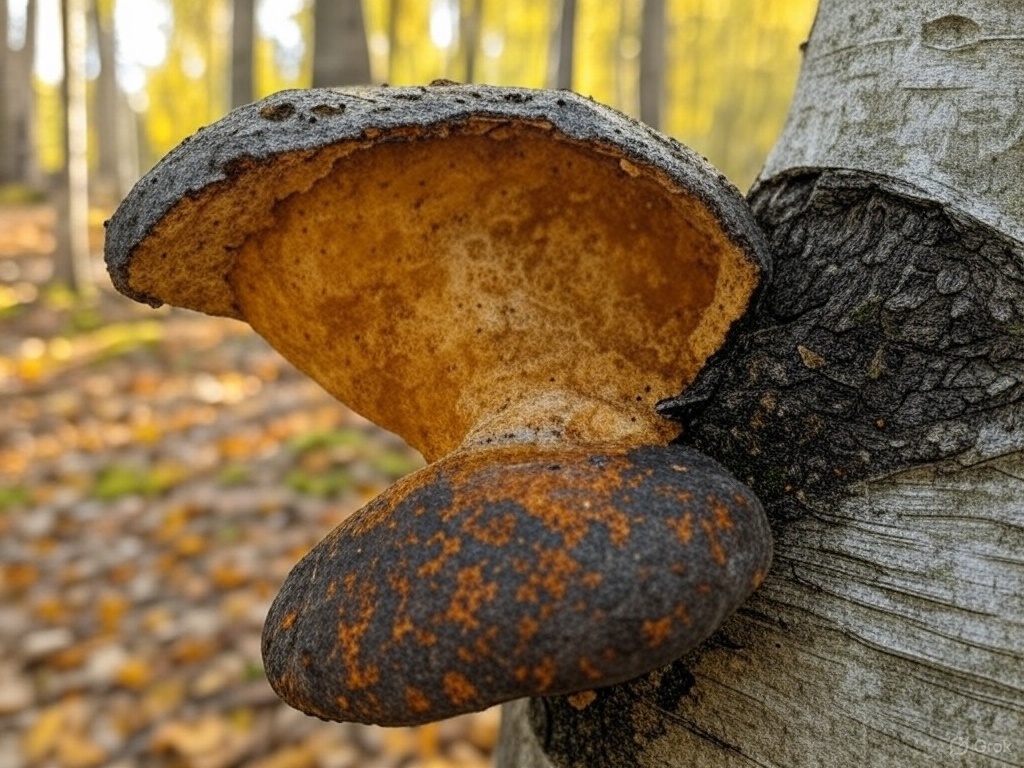
Chaga (Inonotus obliquus), often referred to as the “king of medicinal mushrooms,” is a parasitic fungus that grows primarily on birch trees in cold climates across the northern hemisphere, including regions like Siberia, Canada, Northern Europe, and parts of the United States. Unlike typical mushrooms, chaga is not a fruiting body but a sclerotium—a hard, woody mass of mycelium and tree wood that forms a charcoal-like exterior with a rusty, yellowish-brown interior. This unique fungus has been used for centuries in traditional medicine, particularly by Indigenous peoples in Siberia, Russia, and North America, for its purported health benefits. In recent years, chaga has gained significant attention in the wellness community for its potential as a functional mushroom, often consumed as a tea or supplement.
This article provides an in-depth exploration of chaga, covering its historical significance, health benefits, cultivation challenges, comparison to other functional mushrooms, and practical uses, including a detailed recipe for making chaga tea. The information is synthesized from peer-reviewed studies, traditional knowledge, and modern applications, offering a balanced perspective on this remarkable super-fungus.
History of Chaga: From Ancient Remedies to Modern Wellness
Chaga has a rich history that spans centuries and continents. Its use dates back to at least the 12th century in regions like Siberia, Russia, and Northern Europe, where it was revered as a natural remedy. Indigenous Siberians, such as the Khanty tribe, consumed chaga in various forms, including teas, “soap water” for cleansing, and even smoked it in rituals. They believed chaga protected against degenerative diseases, increased vitality, and promoted longevity. The Khanty used chaga tea to aid digestion, detoxify the body, and suppress appetite, while “soap water”—made by charring chaga and dissolving it in boiling water—was used for its disinfecting properties, particularly for post-menstrual and childbirth cleansing rituals.
In the 16th century, Russian First Nations employed chaga to treat tumors associated with angiogenesis, as well as conditions like tuberculosis, liver ailments, and stomach issues such as gastritis and ulcers. The Woodland Cree of Canada, who refer to chaga as “Wesakechak omikih” (Wesakechak’s scab), used it in traditional medicine, agriculture, and even as incense or tinder for starting fires, according to Cree legend. In the 1950s, the Moscow Medical Institute began clinical trials on chaga, leading to its official recognition as a natural medicine by the Russian Medical Academy of Science in 1955. By 1968, chaga gained international attention through Russian novelist A. Solzhenitsyn’s semi-autobiographical novel The Cancer Ward, which highlighted its potential anti-cancer properties.
Today, chaga is a cornerstone of the functional mushroom movement, often incorporated into teas, tinctures, capsules, and powders. Its rise in popularity in the Western world reflects a growing interest in adaptogens—natural substances that help the body adapt to stress and restore balance.
Health Benefits of Chaga: A Science-Backed Overview
Chaga is celebrated for its wide range of potential health benefits, many of which are attributed to its rich phytochemical composition, including polysaccharides, beta-glucans, polyphenols, triterpenoids (like inotodiol and betulinic acid), and melanin. Below is a detailed breakdown of its scientifically supported benefits, with a note that most research has been conducted in vitro or on animals, and more human studies are needed to confirm these effects.
- Antioxidant Properties
Chaga is one of the most potent sources of antioxidants among natural foods, boasting an ORAC (Oxygen Radical Absorbance Capacity) value of 146,700, one of the highest recorded. Its high levels of polyphenols, melanin, and other antioxidants help neutralize free radicals, which can cause oxidative stress and contribute to chronic diseases like cancer, heart disease, and liver damage. The outer sclerotium of chaga is particularly rich in polyphenols, which may protect against organ damage caused by oxidative stress. - Immune System Support
Chaga contains beta-glucans, naturally occurring polysaccharides that modulate the immune system. These compounds can stimulate immune responses when needed and downregulate overactive responses, helping to balance immunity. Chaga also promotes the production of cytokines—chemical messengers that enhance white blood cell activity, aiding in the fight against infections ranging from minor colds to more serious illnesses. Studies on mice have shown that chaga extract can regulate cytokine production, further supporting immune function. - Anti-Inflammatory Effects
Chronic inflammation is linked to numerous health conditions, including arthritis, heart disease, and cancer. Chaga contains compounds like betulinic acid, inotodiol, and ergosterol peroxide, which inhibit the production of inflammatory cytokines such as tumor necrosis factor-alpha. This anti-inflammatory action may help manage conditions like irritable bowel syndrome and arthritis, and reduce the risk of inflammatory diseases. - Potential Anti-Cancer Properties
One of the most promising areas of chaga research is its potential anti-cancer effects. In vitro studies have shown that chaga extracts can inhibit the growth of cancer cells, including those of the colon, lung, breast, prostate, and liver. For example, a hot water extract of chaga was found to promote the death of colon cancer cells, while another study demonstrated its ability to slow tumor growth in mice. Triterpenoids like inotodiol have shown pro-apoptotic effects on cancer cells without harming healthy cells. However, these findings are preliminary, and clinical trials in humans are needed to validate these effects. - Blood Sugar and Cholesterol Regulation
Chaga’s polysaccharides and beta-glucans have been shown in animal studies to lower blood sugar levels and reduce low-density lipoprotein (LDL or “bad” cholesterol). These effects may help manage diabetes and reduce the risk of cardiovascular disease. Additionally, chaga’s antioxidant properties may combat oxidative stress, a contributing factor to high blood pressure. - Liver and Digestive Health
Chaga may protect the liver from damage caused by toxins, as demonstrated in a study where chaga extract shielded liver tissue from tetra-butyl hydroperoxide, a chemical known to cause liver damage. It also has hepatoprotective properties that support liver detoxification. Additionally, chaga may help prevent stomach ulcers caused by Helicobacter pylori by inhibiting the bacteria’s growth. - Adaptogenic and Energy-Boosting Effects
As an adaptogen, chaga helps the body adapt to stress and restore equilibrium. Studies on mice have shown that chaga increases physical endurance and reduces fatigue by boosting the concentration of AMPK, a molecule critical for energy pathways. This makes chaga a popular choice for those seeking a natural energy boost without the crash associated with caffeine. - Skin Health
Chaga’s high melanin content offers potential benefits for skin health. Melanin, a natural pigment, has antioxidant and anti-inflammatory properties that may protect the skin from UV damage and support overall skin health.
Risks and Side Effects
While chaga is generally considered safe for most people when consumed in moderation, there are potential risks to be aware of:
• Oxalate Content: Chaga is high in oxalates, which can bind to calcium and form kidney stones in individuals prone to this condition. Cases of oxalate nephropathy and kidney damage have been reported in individuals consuming high doses of chaga powder over extended periods.
• Drug Interactions: Chaga may interact with blood thinners (e.g., warfarin), antiplatelet drugs, and hypoglycemic agents, potentially amplifying their effects.
• Allergic Reactions: Some individuals may experience allergic reactions to chaga, which could manifest as trouble breathing, changes in heart rate, or loss of consciousness.
It’s crucial to consult a healthcare provider before incorporating chaga into your diet, especially if you are pregnant, breastfeeding, taking medications, or have a medical condition.
Cultivation of Chaga: Challenges and Sustainability
Chaga is notoriously difficult to cultivate due to its unique parasitic relationship with birch trees. In the wild, chaga grows slowly over 10–20 years, absorbing beneficial compounds like betulinic acid from its host tree. This compound, derived from betulin in birch bark, is absent in cultivated chaga grown on artificial substrates like grain or sawdust, making wild-harvested chaga far more potent.
Efforts to cultivate chaga have largely been unsuccessful in replicating the medicinal properties of wild chaga. Cultivated chaga, often grown as mycelium on grain, lacks the environmental stressors and symbiotic relationship with birch trees that produce its bioactive compounds. As a result, most commercial chaga products are sourced from wild harvesting, raising concerns about overharvesting and sustainability.
Sustainable harvesting practices are critical to preserving chaga populations. For example, harvesters in northern Canada, where chaga is abundant, often leave portions of the sclerotium on the tree to allow regrowth, and they avoid climbing trees to harvest, as over 50% of chaga grows at inaccessible heights. Scientists are also exploring cultivated substitutes to reduce pressure on wild populations, but these alternatives are not yet widely available.
Chaga in the Context of Other Functional Mushrooms
Chaga is one of several functional mushrooms gaining popularity for their health benefits. Here’s how it compares to other notable medicinal mushrooms:
• Reishi (Ganoderma lucidum): Like chaga, reishi supports immune function and has anti-inflammatory and potential anticancer properties. However, reishi is also known for its calming effects, helping to manage stress, anxiety, and depression, whereas chaga is more focused on energy and immune support.
• Lion’s Mane (Hericium erinaceus): Lion’s mane is renowned for supporting cognitive function, boosting memory, and protecting against age-related cognitive decline. Chaga, while beneficial for overall health, does not have the same nootropic effects.
• Cordyceps (Cordyceps sinensis): Both chaga and cordyceps are rich in polysaccharides with anti-inflammatory benefits, but cordyceps is particularly noted for its energy-enhancing properties and ability to improve physical performance, making it a favorite among athletes.
• Turkey Tail (Trametes versicolor): Turkey tail is packed with polysaccharide-K (PSK), which gives it powerful immune-modulating and anticancer properties. While chaga also shows anticancer potential, turkey tail has been more extensively studied for this purpose, particularly in cancer therapies in Japan.
Chaga stands out for its exceptionally high antioxidant content and adaptogenic properties, making it a versatile choice for overall wellness. However, combining chaga with other functional mushrooms like reishi or lion’s mane can provide a broader spectrum of benefits.
Uses of Chaga: From Tea to Agricultural Applications
Chaga is most commonly consumed as a tea, but its applications extend far beyond beverages. Below are some of its primary uses:
- Chaga Tea
Chaga tea is the most traditional and popular way to consume this fungus. The tea is made by steeping chaga chunks or powder in hot water, releasing its bioactive compounds. It has a slightly bitter, earthy taste with a hint of vanilla, often compared to a mild coffee or strong black tea. Chaga tea is caffeine-free, making it an excellent alternative for those avoiding stimulants. - Supplements and Tinctures
Chaga is available in capsules, powders, and tinctures for those who prefer a more concentrated form. Tinctures are made by soaking chaga in alcohol to extract alcohol-soluble compounds like triterpenoids, which are thought to contribute to its cholesterol-lowering and anticancer effects. - Skincare Products
Thanks to its high melanin content, chaga is increasingly used in skincare products for its antioxidant and anti-inflammatory properties, which may protect against UV damage and support skin health. - Agricultural Applications
Chaga has shown promise in agriculture, particularly in animal farming. Its bioactive compound beta-glucan can be added to animal feed to boost immunity, enhance growth performance, and reduce reliance on antibiotics. In crop farming, chaga has been used to treat tree blight caused by Cryphonectria parasitica and protect plants from Phytophthora.
How to Make Chaga Tea: A Step-by-Step Recipe
Making chaga tea at home is a simple and rewarding process. This recipe uses either chaga chunks or powder, ensuring you can enjoy its health benefits in a traditional form.
Ingredients
• 1-2 teaspoons of chaga powder OR 10 grams of chaga chunks (roughly 3 oz)
• 1 cup (8 oz) of filtered water
• Optional: lemon juice, raw honey, or maple syrup to taste
Equipment
• Small pot or kettle
• Tea infuser (if using powder)
• Mug
• Strainer (if using chunks)
Instructions
• Prepare the Chaga: If using chaga chunks, break them into smaller pieces (about 1 inch by 1 inch) using a hammer or meat grinder to increase surface area for extraction. If using powder, measure out 1-2 teaspoons.
• Boil Water: Bring 1 cup of filtered water to a boil, then let it cool slightly to around 212°F (100°C). For larger batches, you can simmer for longer.
• Steep the Chaga:
• If using chunks, place them in a pot with the water and simmer on low heat for 15 minutes to several hours, until the water turns a dark brown color. Strain the chunks using a strainer.
• If using powder, place it in a tea infuser and steep in a mug of hot water for 5-7 minutes.
• Flavor (Optional): Add a splash of lemon juice, a teaspoon of raw honey, or maple syrup to enhance the flavor, as chaga tea can be slightly bitter.
• Serve: Remove the infuser or strain the tea into a mug, and enjoy warm. Chaga chunks can be reused for multiple batches, though the flavor may weaken with each use.
Tips
• For a stronger extraction, some prefer to simmer chaga for several hours or even steep it overnight to maximize the release of bioactive compounds.
• Always source chaga from reputable suppliers to avoid contamination with heavy metals, as the quality of chaga can vary depending on where it is harvested.
Conclusion
Chaga (Inonotus obliquus) is a remarkable functional mushroom with a storied history and a promising future in both traditional and modern wellness practices. Its potential benefits—ranging from antioxidant and anti-inflammatory effects to immune support and possible anti-cancer properties—make it a valuable addition to a health-conscious lifestyle. However, its cultivation challenges and sustainability concerns highlight the importance of responsible harvesting and further research into cultivated alternatives.
Compared to other functional mushrooms like reishi, lion’s mane, cordyceps, and turkey tail, chaga stands out for its unparalleled antioxidant content and adaptogenic properties, though it may lack the specific cognitive or performance-enhancing benefits of others. Its versatility in forms like tea, tinctures, and even agricultural applications underscores its multifaceted potential.
When incorporating chaga into your routine, whether through a soothing cup of chaga tea or a supplement, always consult a healthcare provider to ensure safety, especially given its potential interactions with medications and high oxalate content. As research continues to uncover the full scope of chaga’s benefits, this ancient super-fungus remains a powerful ally for those seeking natural ways to support their health and well-being.


