
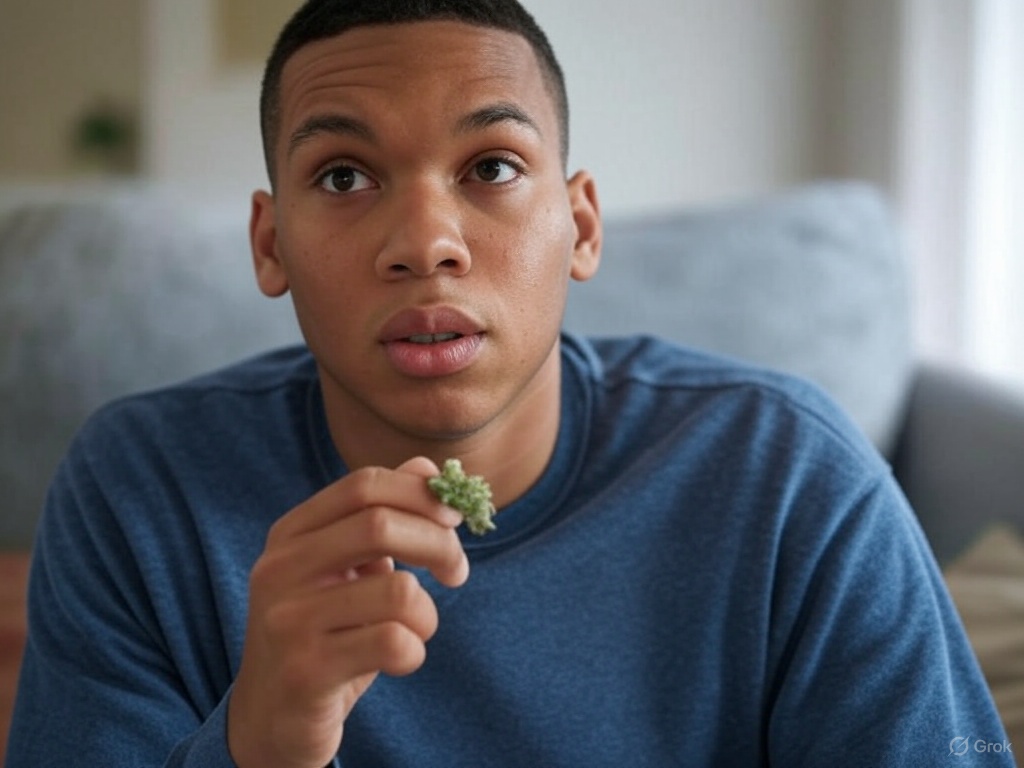
It was a great milestone and one of the hallmarks of the Liberal Government along with the efforts of thousands of Canadians and protesters to legalize Cannabis in Canada, but was it done correctly and what where the shortcomings of this rollout? This article looks at the many positives of Cannabis for people and society in Canada but also looks at some of the risk factors that seem to have been left out of the educational component relating to legalization and normalization in society and especially with our youth. We examine at the health impacts, especially for youth, but do not touch on the other problems relating to microeconomics and taxation.
Marijuana, derived from the Cannabis sativa plant, is one of the most widely used psychoactive substances globally, including in Canada, where it was legalized for recreational use in October of 2018 under the Cannabis Act. Its primary psychoactive component, delta-9-tetrahydrocannabinol (THC), is responsible for the “high” users experience, while cannabidiol (CBD), another prominent compound, is non-intoxicating and often touted for potential therapeutic benefits. While marijuana’s legalization has shifted public perception toward viewing it as relatively benign, mounting scientific evidence highlights significant risks, particularly for adolescents and young adults under 25 whose brains are still developing. We explore these dangers, the long-term effects on brain function and memory, common misconceptions, potential benefits, responsible use strategies in Canadian society, and the failures of mental health and public health policies concerning cannabis, alongside relevant statistics.
Dangers of Marijuana and THC on Brain Development and Health
The human brain undergoes critical development through adolescence and into the mid-20s, with the prefrontal cortex—responsible for decision-making, impulse control, and executive functioning—being one of the last regions to mature. THC interacts with the endocannabinoid system, a network of receptors (CB1 and CB2) that regulates cognition, emotion, and neurodevelopment. During this sensitive period, exposure to THC can disrupt normal brain maturation, leading to lasting consequences.
1 Impaired Brain Development: Research shows that regular marijuana use before age 25 can alter the structure and function of the brain. A longitudinal study published in JAMA Psychiatry found that adolescent cannabis use is associated with thinning of the prefrontal cortex, which may impair executive functioning, such as planning and impulse control. Another study from the Journal of Neuroscience noted increased gray matter volume in teens who used marijuana recreationally even once or twice, a deviation from typical pruning processes that refine neural connections during adolescence.
2 Cognitive Deficits: THC affects areas of the brain like the hippocampus and prefrontal cortex, critical for memory, learning, and attention. The CDC reports that recent cannabis use (within 24 hours) impairs thinking, memory, and coordination in youth. A 2025 study in JAMA Network Open found that heavy cannabis users (over 1,000 lifetime uses) showed reduced brain activity in regions tied to working memory, suggesting a dose-dependent impact.
3 Mental Health Risks: Cannabis use in adolescence is linked to an increased risk of mental health disorders. The National Institute on Drug Abuse (NIDA) notes that early and frequent use heightens the likelihood of psychosis, including schizophrenia, particularly in those with genetic predispositions. A 2019 study in The Lancet Psychiatry estimated that high-potency cannabis (THC > 10%) could account for up to 30% of first-episode psychosis cases in some regions. Anxiety and depression are also more prevalent among young users, though causality remains debated.
4 Risks Specific to Teens and Under-25s: The earlier cannabis use begins, the greater the harm. Teens who start before age 18 are four to seven times more likely to develop cannabis use disorder (CUD) than those who begin as adults, per NIDA. The Surgeon General’s Advisory (2019) warns that THC can disrupt fetal brain development when used during pregnancy, with implications for attention and problem-solving in offspring, underscoring the vulnerability of developing brains.

Long-Term Effects on Brain Function and Memory
The long-term effects of marijuana use, particularly when initiated in adolescence, extend beyond immediate intoxication. Chronic exposure to THC can lead to persistent changes in brain function and memory.
1 Memory Impairment: Heavy, long-term cannabis use is consistently associated with verbal memory deficits. A meta-analysis in Psychological Medicine found that chronic users exhibited residual memory impairments even after abstinence, though some recovery is possible after four weeks. The hippocampus, vital for forming new memories, appears smaller in long-term users, per Harvard Health (2022).
2 Cognitive Decline: Studies, including one from The American Journal of Psychiatry (2022) tracking 1,000 New Zealanders from age 3 to 45, found that heavy cannabis use in adolescence correlated with midlife cognitive deficits, such as reduced attention and problem-solving skills. These effects were not observed in those using cannabis less than weekly without dependence, suggesting a threshold for harm.
3 Potential Reversibility: While some cognitive symptoms like brain fog and lowered motivation may reverse with abstinence, the extent of recovery depends on age of onset, frequency, and duration of use. A 2019 review in PMC noted partial recovery in abstinent users, but early and prolonged use may cause irreversible damage, particularly to executive functions.
Misconceptions of Marijuana Use
Public perception of marijuana has softened with legalization, leading to several misconceptions:
1 “Marijuana is Harmless”: Many view cannabis as a benign substance, especially compared to alcohol or tobacco. However, its impact on the developing brain contradicts this notion, with evidence of structural changes and mental health risks.
2 “It’s Not Addictive”: Contrary to belief, 9–30% of users develop dependence, with adolescents at higher risk. The American Psychiatric Association (2021) reports that one in six teen users develops CUD, challenging the idea of marijuana as non-addictive.
3 “Legal Means Safe”: Legalization in Canada and elsewhere has fostered a belief that marijuana is inherently safe. Yet, potency has surged—THC levels in dispensary products often exceed 15–30%, compared to 1–4% in the 1970s—amplifying risks.
4 “It Boosts Creativity”: While some report enhanced creativity, studies suggest acute THC use impairs divergent thinking in heavy users, per Psychopharmacology. Any perceived boost may stem from relaxation rather than cognitive enhancement.
Benefits and Responsible Use in Canadian Society
Despite risks, marijuana offers benefits, particularly in medical contexts, which can inform responsible recreational use:
1 Therapeutic Benefits: CBD is FDA-approved for pediatric seizures, while THC aids chemotherapy-induced nausea and chronic pain in adults, per NIDA. In Canada, medical cannabis is used for conditions like multiple sclerosis and anxiety, with oversight from healthcare providers.
2 Mitigating Risks:
◦ Delay Use: Canada.ca recommends delaying cannabis use until age 25 to protect brain development.
◦ Low-THC Products: Choosing products with higher CBD-to-THC ratios reduces impairment, as CBD may counteract some THC effects.
◦ Moderation: Limiting frequency (e.g., less than weekly) and avoiding high-potency products (THC > 20%) lowers risks of dependence and cognitive harm.
◦ Safe Environment: Using in familiar settings with trusted individuals minimizes anxiety or paranoia.
Responsible use aligns with Canada’s Lower-Risk Cannabis Use Guidelines, emphasizing education and harm reduction over abstinence-only messaging.
Failures of Mental Health and Public Health Policy in Canada
Canada’s 2018 legalization aimed to regulate cannabis and reduce harm, but gaps in mental health and public health policy have emerged:
1 Inadequate Education: Public health campaigns have not effectively communicated risks to youth. A 2021 Canadian Journal of Public Health study found that only 45% of high school seniors perceived regular marijuana use as a “great risk,” down from 80% in 1992.
2 Rising Potency: Health Canada regulates THC in legal products, but illicit markets offer concentrates exceeding 90% THC, evading oversight and increasing psychosis risks, per Current Psychiatry (2017).
3 Mental Health Oversight: The mental health system struggles to address cannabis-related disorders. A 2023 Canadian Mental Health Association report noted a lack of specialized treatment for CUD, with wait times for youth counseling averaging six months.
4 Policy Disconnect: Legalization prioritized economic gains over robust prevention. The Senate of Canada allocated minimal funding for longitudinal studies on cannabis’s impact, unlike the U.S.’s ABCD study, hindering evidence-based policy.
Negative Implications and Statistics on Mental Health in Canada
Cannabis use has contributed to mental health challenges in Canada:
1 Prevalence: In 2021, 35.4% of Canadians aged 18–25 reported past-year marijuana use, per the National Survey on Drug Use and Health. Adolescents (12–17) accounted for 10.5%.
2 Cannabis Use Disorder: Nearly 5 million young adults and 1.3 million teens had CUD in 2021, per American Addiction Centers (2024), with similar trends in Canada.
3 Psychosis and Hospitalizations: A 2020 Canadian Medical Association Journal study linked a 40% rise in cannabis-related ER visits (2013–2019) to psychosis and anxiety, disproportionately affecting those under 25.
4 Depression and Anxiety: Health Canada (2021) reports that frequent use over months or years increases risks of anxiety and depression, with 29% of daily users showing symptoms.

Conclusion
Marijuana and THC pose significant risks to brain development and health, particularly for teens and those under 25, with long-term effects on memory and cognition that may persist into midlife. Misconceptions of harmlessness and non-addictiveness obscure these dangers, while benefits like pain relief highlight potential when used responsibly. In Canada, responsible use involves delaying initiation, choosing low-THC options, and moderating consumption. However, public health policy has faltered in education, potency control, and mental health support, contributing to rising cannabis-related mental health issues. Addressing these failures requires enhanced research, youth-focused prevention, and integrated mental health services to balance legalization’s benefits with its risks.
L.A
References
• Centers for Disease Control and Prevention (CDC). “Cannabis and Brain Health.” 2024.
• National Institute on Drug Abuse (NIDA). “Cannabis (Marijuana).” 2020.
• JAMA Psychiatry. “Association of Cannabis Use in Adolescence with Prefrontal Cortex Thickness.” 2023.
• The Lancet Psychiatry. “High-Potency Cannabis and Psychosis.” 2019.
• The American Journal of Psychiatry. “Long-Term Cannabis Use and Cognitive Function.” 2022.
• Health Canada. “Cannabis Health Effects.” 2021.
• Canadian Medical Association Journal. “Cannabis-Related Emergency Department Visits.” 2020.


