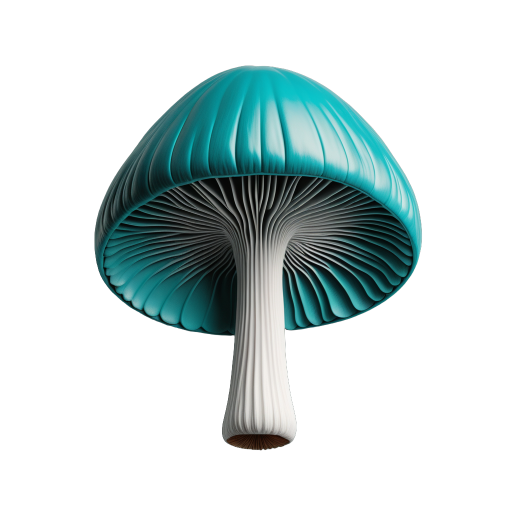
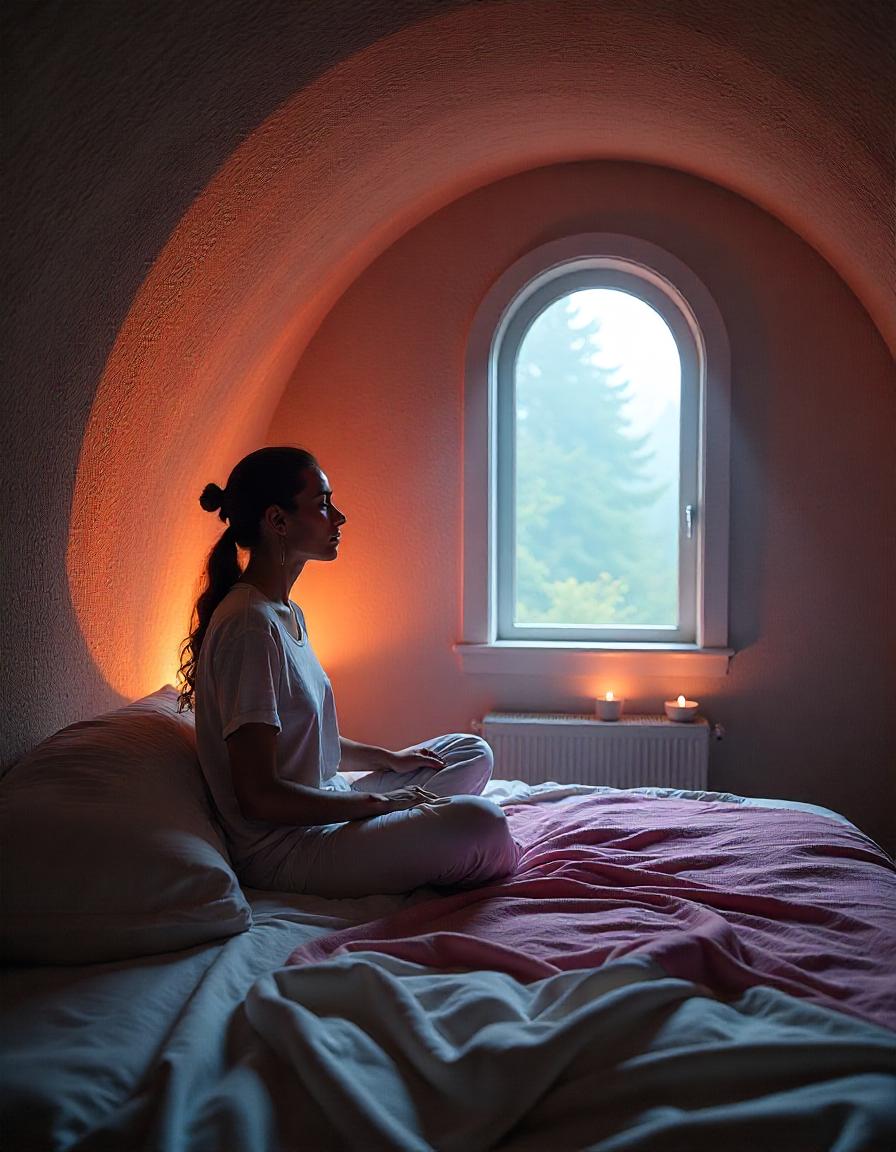
Picture this: It’s 7 AM, the kids are screaming for breakfast, the dog just chewed your favorite slipper, and you’ve got a Zoom meeting in 20 minutes that you’re still not prepared for. Sound familiar? For women—especially mothers—stress and depression can feel like uninvited houseguests who refuse to leave. But what if there’s a tiny, fungi-fueled secret that could help? Enter microdosing psilocybin, the practice of taking teeny-tiny doses of the psychedelic compound found in magic mushrooms. It’s not about tripping out—it’s about finding a little calm in the chaos. Let’s dive into how this quirky trend might just be a game-changer for women and moms, sprinkle in some science, and wrap it up with a handy guide to get started (safely, of course!).
Why Women and Moms Might Need a Mushroom Hug
Women, and particularly mothers, often juggle a wild mix of responsibilities: careers, kids, households, and that ever-elusive “self-care” thing everyone keeps talking about. Studies show that up to 20% of new moms experience perinatal mood concerns like anxiety and depression. And let’s be real—those numbers don’t even capture the everyday stress of spilled juice, tantrums, or the mental load of remembering everyone’s schedules. Traditional treatments like SSRIs (selective serotonin reuptake inhibitors) work for some, but others find them lacking or laden with side effects. That’s where psilocybin microdosing sneaks in, whispering promises of mood boosts and stress relief without the full-on psychedelic light show.
The Magic of Microdosing: What’s the Buzz?
Microdosing involves taking about 5-10% of a typical psychedelic dose—think 0.1 to 0.3 grams of dried psilocybin mushrooms—every few days. The goal? Subtle benefits without hallucinations. Users report feeling more grounded, creative, and resilient, like they’ve hit the refresh button on their brain. For women and moms, this could mean less snapping at the kids over spilled Cheerios and more smiling through the chaos.
Science is starting to catch up to the hype. A 2021 study published in Nature-Scientific Reports followed over 900 people microdosing psilocybin for a month. Compared to a control group, microdosers saw “small- to medium-sized” improvements in depression, anxiety, and stress. Importantly, these benefits held across genders, suggesting women could reap the rewards too. Another study from 2022 in Nature tracked 953 microdosers and found consistent mood lifts and mental health perks, even for those with pre-existing concerns. Moms on Reddit and Instagram (check out “Moms On Mushrooms” with over 30K followers!) echo this, sharing tales of feeling less overwhelmed and more present.
Moms Speak: Real-Life Mushroom Magic
Take the story of a 34-year-old Bay Area mom shared in a 2023 Washington Post article. After her first child, she battled crippling anxiety—intrusive thoughts of her baby tumbling down stairs kept her awake. Therapy helped, but microdosing psilocybin took it up a notch. She felt “uplifted and grounded,” like she could handle motherhood without unraveling. Or consider the Reddit mom who wrote, “Microdosing saved my life. No high, just stopped wanting to kill myself.” These anecdotes aren’t science, but they hint at why women are turning to this unconventional ally.
The Science Scoop: What Studies Say
Let’s get nerdy for a sec. A 2021 study in Nature (Rootman et al.) compared 4,050 microdosers to 4,653 non-microdosers via a mobile app. Among those with mental health histories, microdosers reported lower depression, anxiety, and stress levels—across genders. Women, who often cite wellness as a motivation, might find this especially appealing. Another 2022 study in Nature-Scientific Reports confirmed these mood boosts over 30 days, with older adults even showing psychomotor improvements (handy for chasing toddlers!).
On the flip side, a 2022 placebo-controlled study in Journal of Psychopharmacology found no significant difference between psilocybin and placebo for depression and anxiety. But here’s the kicker: both groups improved, hinting at a strong placebo effect—or maybe just the power of hope. Researchers like Joseph Rootman note these studies are early steps, calling for more rigorous trials. Still, the trend is clear: many women feel microdosing helps, and science is starting to nod along.
Your Microdosing Starter Guide: How to Dip Your Toe In
Ready to explore? Here’s a fun, beginner-friendly guide to microdosing psilocybin—safely and responsibly. (Note: Psilocybin is illegal in many places, so check your local laws and consult a healthcare pro first!)
- Source Your Shrooms: Find high-quality dried psilocybin mushrooms from a trusted supplier. Oregon and Colorado have legalized it, but elsewhere, it’s still a Schedule I substance federally. Safety first—no sketchy back-alley deals!
- Measure Like a Pro: A microdose is typically 0.1-0.3 grams of dried mushrooms. Grab a precision scale (you’re not eyeballing this like a pinch of salt). Start low—0.1 grams—to test the waters.
- Pick a Protocol: The “Fadiman Protocol” is a fan favorite: dose on Day 1, skip Days 2 and 3, dose on Day 4, repeat for 4-8 weeks, then take a month off. It’s like a mushroom vacation schedule!
- Prep and Pop: Grind your dose into powder, pop it in a capsule, or mix it with tea or food (it’s bitter, so brace yourself). Take it in the morning on an empty stomach for max effect.
- Tune In: No trippy visuals here—just subtle shifts. Journal your mood, stress, and energy daily. Feel calmer? More patient with the kids? Adjust your dose (up to 0.3 grams) if needed, but keep it sub-perceptual.
- Stack It (Optional): Some pair psilocybin with lion’s mane mushrooms or niacin for extra brain boosts. Studies haven’t proven this amps up benefits, but it’s a popular tweak.
- Stay Safe: Avoid if you’ve got a history of psychosis or heart issues. Don’t mix with other meds without a doctor’s OK. And never dose alone the first time—have a buddy nearby.
The Fine Print: Risks and Reality Checks
Microdosing isn’t all rainbows and unicorns. Some report jitters, insomnia, or even worsened anxiety—everyone’s brain is different. Legal risks loom large outside decriminalized zones, and long-term safety data is thin. Experts like Dr. Adam Scioli warn of rare psychotic episodes, especially with a family history of schizophrenia. Plus, without regulation, you’re rolling the dice on purity. It’s a DIY adventure with big potential—but proceed with eyes wide open.
The Verdict: A Tiny Dose of Hope?
For women and moms drowning in stress and depression, microdosing psilocybin might just be a lifeline—or at least a fun experiment. Science backs up some benefits, with studies showing mood lifts and stress dips, while real-life stories from moms add a human touch. It’s not a magic fix (sorry, the laundry still won’t fold itself), but paired with intention and care, it could sprinkle a little magic on the madness of modern life. So, grab your scale, channel your inner mushroom maven, and maybe—just maybe—find a calmer, happier you. Who knew fungi could be such fabulous friends?


