
Picture this: It’s a warm evening, the kind where the air hums with possibility. You’re sprawled out on a blanket under a canopy of stars, headphones on, Pink Floyd’s Dark Side of the Moon swirling through your ears like a cosmic river. Now, imagine pairing that with a little something extra—say, a dose of psilocybin, the psychoactive compound in magic mushrooms. Suddenly, the music doesn’t just sound good; it feels like it’s painting colors across your brain, unraveling the universe one note at a time. This isn’t just hippie folklore—there’s science, history, and a dash of wonder behind why music and magic mushrooms are such a mind-bending duo. Let’s dive in.
A Historical Jam Session
Humans have been vibing with psychedelics and sound for millennia. Indigenous cultures, from the Mazatec people of Mexico to the shamans of the Amazon, have long used psilocybin-containing mushrooms in rituals, often alongside rhythmic drumming, chanting, or haunting melodies. These weren’t just background tunes—they were portals, believed to guide the spirit through otherworldly realms. The Mazatec, for instance, paired their mushroom ceremonies with cantos, sacred songs that healer María Sabina described as carrying the voice of the mushrooms themselves.
Fast-forward to the 1960s, and the West caught the groove. The counterculture explosion saw magic mushrooms (and their synthetic cousin, LSD) fuel a sonic revolution. Bands like The Grateful Dead, Jefferson Airplane, and The Doors didn’t just play music—they crafted auditory trips designed to sync with the psychedelic experience. Jim Morrison’s eerie wails or Jerry Garcia’s endless guitar riffs weren’t random; they mirrored the ebb and flow of a mushroom journey—introspective lulls, chaotic crescendos, and moments of pure transcendence. Jazz wise just listen and try to visualize and imagine Coltrane’s Lush Life, Miles Davis Bitches Brew or Sun Ra’s Cosmic Tones for Mental Therapy!
The Brain’s Backstage Pass
So, why does this combo hit so hard? Science has some answers. Psilocybin works its magic by binding to serotonin receptors in the brain, particularly the 5-HT2A receptor. This kicks the default mode network (DMN)—the brain’s “autopilot” that keeps you grounded in routine—into a temporary free-for-all. Suddenly, your mind’s walls dissolve, and sensory inputs, like music, flood in with wild intensity.
Music, meanwhile, is its own wizard. It lights up multiple brain regions: the auditory cortex processes sound, the amygdala stirs emotions, and the motor cortex makes you tap your foot. On psilocybin, these areas don’t just activate—they connect. A 2017 study from Imperial College London found that psychedelics increase cross-talk between brain networks, turning a simple melody into a full-body, synesthetic experience. That guitar solo? It’s not just sound anymore—it’s a shimmering wave of purple light or a memory of your childhood dog, depending on where your trip takes you.
The Playlist Matters
Not all tunes are created equal under the influence. Research from Johns Hopkins University, where psilocybin is studied for therapeutic use, shows that music shapes the journey. In their trials, patients listen to curated playlists—think classical swells from Bach or ambient drifts from Brian Eno or Philip Glass—designed to cradle the experience. Upbeat tracks can lift you into euphoria; dissonant ones might plunge you into shadow. One participant described Beethoven’s Moonlight Sonata as “a conversation with the universe,” while a jarring techno beat once sent another into a spiral of existential static.
Anecdotally, X posts from psychonauts echo this. One user raved about pairing Radiohead’s Kid A with shrooms: “It’s like Thom Yorke was whispering my own thoughts back to me.” Another swore by Tame Impala’s Currents, calling it “a liquid mirror of my soul.” The lesson? Pick your soundtrack wisely—it’s the DJ of your trip.
Synesthesia: When Sound Gets a Paintbrush
Ever “seen” music? Psilocybin can crank up synesthesia, a condition where senses blur—sounds become colors, textures turn into tones. A 2021 study in Psychopharmacology noted that psychedelics amplify this cross-wiring, especially with music. That pulsing bassline might bloom into a field of red flowers; a violin’s wail could shimmer gold. It’s not random—our brains are pattern-making machines, and mushrooms just turn the volume up on the remix.
From Woodstock to Therapy Rooms
Today, the mushroom-music mashup isn’t just for tie-dye diehards. Psychedelic therapy is having a renaissance, with psilocybin showing promise for depression, PTSD, and addiction. Music is a cornerstone of these sessions. Therapists craft playlists to guide patients through emotional peaks and valleys, often leaning on instrumental or world music to avoid lyrical distractions. A 2023 trial at UC San Francisco found that patients who rated the music as “personally meaningful” reported deeper breakthroughs. One participant said Ravi Shankar’s sitar “untied knots in my chest I didn’t know were there.” Combination of Sound Baths with Psychedelic therapy and microdosing are becoming a thing, along with Binaural Beats to help you find your perfect setting and environment helping people to deal with focus, anxiety or sleep disorders.
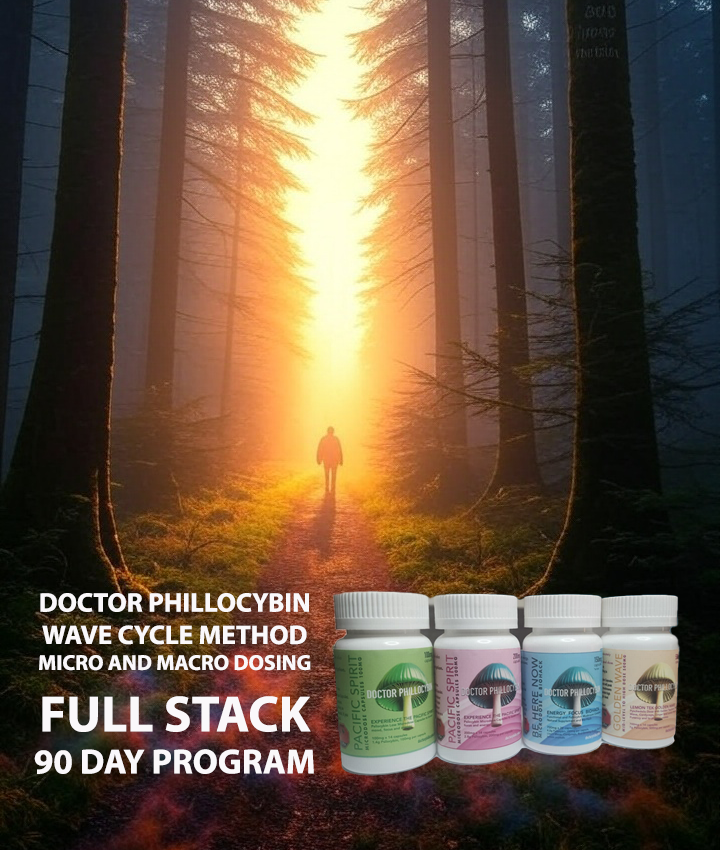
Visit DoctorPhillocybin.co for discreet shipping Canada wide along with same and next day delivery in Vancouver!
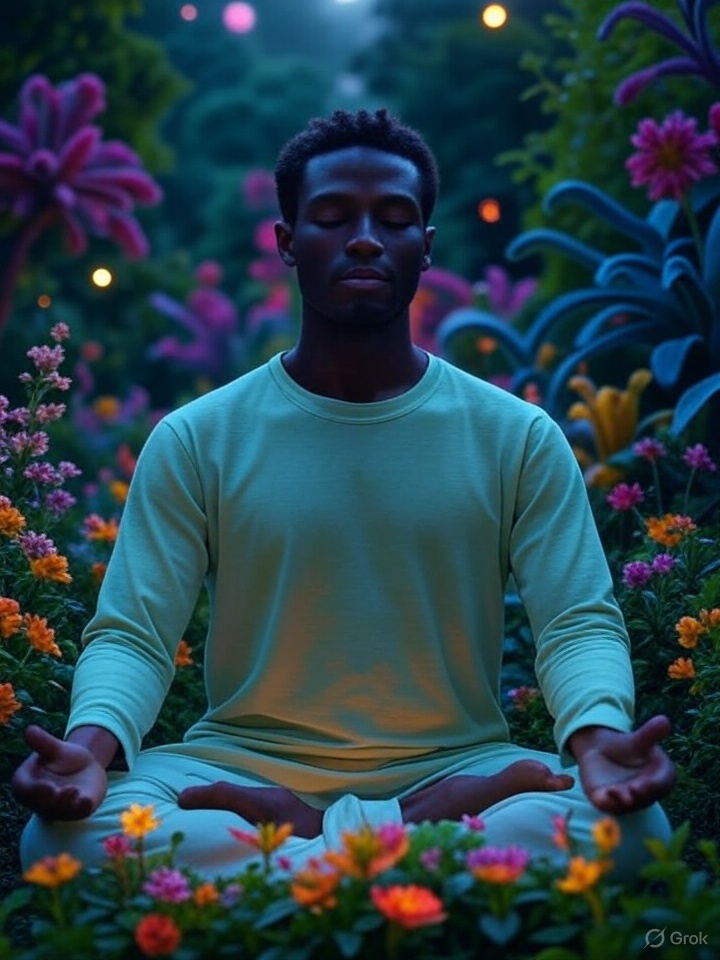
Visit DoctorPhillocybin.co and explore Nature’s Calm.
The Science of the Solo: Why It Works
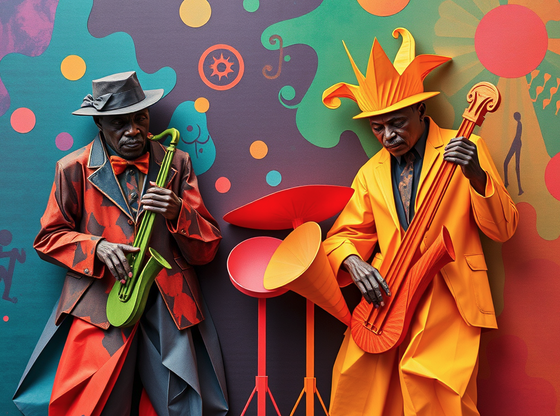
Why does jazz, more than, say, pop or classical, resonate with psychedelics? It’s the unpredictability. Pop follows a formula—verse, chorus, repeat. Classical builds to scripted climaxes. Jazz, though, is alive, shifting, chaotic—like the psychedelic mind. A 2019 study in Nature Communications found that psilocybin increases entropy in brain activity, mirroring jazz’s refusal to settle. When Coltrane leaps octaves or Monk stabs at dissonant chords, it’s not just music—it’s a map of the trip’s twists and turns.
Emotionally, jazz’s range—from bliss to melancholy—matches psychedelics’ rollercoaster. A 2020 Journal of Psychopharmacology paper noted that music with dynamic shifts (common in jazz) enhances psychedelic “peak experiences”—those moments of awe or unity. Davis’ muted trumpet in Sketches of Spain might cradle you in introspection; Taylor’s piano assaults could jolt you into the void.
A Word of Caution and Fun
Set and setting matter; a bad vibe or a chaotic playlist (looking at you, death metal marathon) can flip the script from bliss to bummer. Start low, go slow, and maybe keep a sober pal on speed dial.
But if you’re ready to ride the wave, the possibilities are endless. Imagine syncing up Miles Davis’ Kind of Blue with a mellow dose—those smoky trumpet notes stretching into eternity. Or letting Animal Collective’s fractal pop crack open your perception like a cosmic egg. Music and magic mushrooms don’t just pair well—they amplify each other, turning a song into a story, a trip into a tapestry.
So, next time you’re pondering the mysteries of existence, grab your headphones and a few shrooms (where it’s legal, of course). The universe might just sing back.
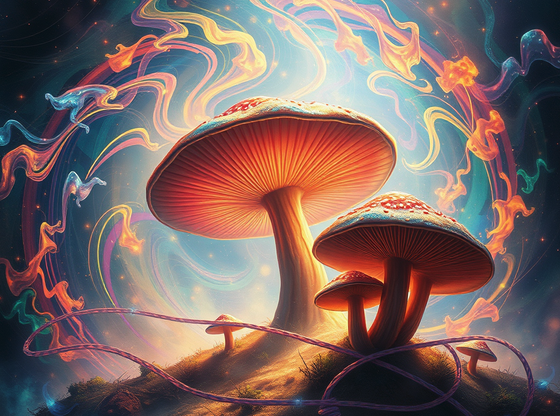
A Practical Guide (With a Wink)
Ready to try this cosmic combo? Legality first—psilocybin’s still illegal in most places (though decriminalized in Oregon and parts of Canada), and LSD’s a no-go federally. If you’re in a legal spot or just curious, here’s the vibe:
• Dose Low: Start with 1-2 grams of dried psilocybin mushrooms or a microdose (0.1-0.3g) to feel the music without losing the plot.
• Set the Scene: Dim lights, comfy spot, no interruptions—let the jazz be the star.
• Some Playlist Suggestions and Direction:Try Miles Davis Kind of Blue for calm, A Love Supreme for spiritual heft, Bitches Brew for a wild ride, Sun Ra’s We Travel the Space Ways or Space is the Place will take you in to Warp Drive. Binaural Beats are an amazing auditory pairing for dealing with anxiety or focus. Some of my favourite musicians for an introspective and thought provoking experience include Brian Eno, David Bryne, David Bowie or Penguin Cafe Orchestra.
• Ride the Wave: When music gets intense—breathe through the dissonance; it’s part of the journey.
The Final Note
Music and psychedelics are soulmates—They chase the unknown, and revel in the now. Whether it’s Coltrane’s saxophone soaring through your synapses or Davis’ trumpet painting your mind gold, this pairing is a portal to something bigger. It’s not just music or a trip—it’s a conversation between your brain, the sound, and the universe.
So, next time you’re feeling adventurous set the environment with your playlist of choice, dim the lights, and let the mushrooms (or imagination) take the stage. The improv’s just getting started.
Please Like and Subscribe! To continue the conversation visit us at doctorphillocybin.co or email us at drphillocybin@gmail.com

 Doctor Phillocybin