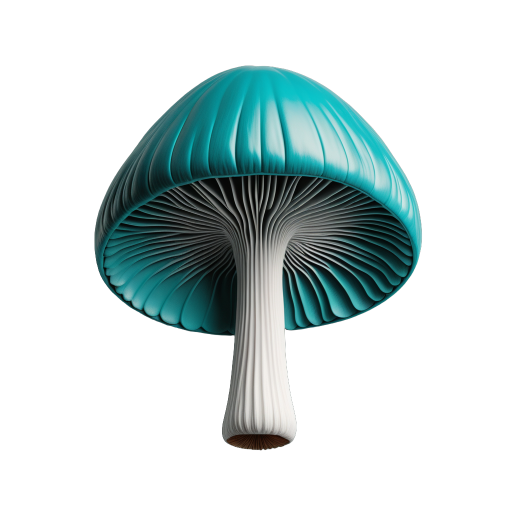

Magic mushrooms have long been revered for their ability to unlock profound psychedelic experiences, blending ancient traditions with modern curiosity. Among the diverse strains of Psilocybe cubensis, one stands out for its striking visuals and intense effects: Phobos. Named after the Greek god of fear and one of Mars’ moons, this strain promises a cosmic adventure for seasoned psychonauts. While information on Phobos is less abundant than for more mainstream strains like Golden Teacher or Penis Envy, its reputation is growing. This article explores what’s known about the Phobos strain, covering its origins, appearance, potency, effects, and cultivation insights, piecing together a portrait of this captivating mushroom.
Origins: A Martian Connection
Phobos’ backstory is as intriguing as it is sparse. It is widely described as a derivative of the Albino Mars strain, a rare albino mutation of Psilocybe cubensis. The Albino Mars itself is a lesser-known variety, likely developed through selective breeding or natural mutation to emphasize its pale coloration and potent psychoactive properties. Phobos takes this lineage a step further, earning its name—possibly a nod to its Martian-inspired roots or its ability to evoke awe-inspiring, fear-tinged trips. Unlike strains with well-documented histories tied to famous mycologists or specific regions, Phobos seems to have emerged from the underground cultivation scene, its exact origins obscured by the secretive nature of psychedelic mushroom breeding.
Some speculate that Phobos was cultivated to enhance visual effects, drawing from the Albino Mars’ genetic pool to create a strain tailored for vivid, kaleidoscopic experiences. Without concrete records from a named breeder or a definitive discovery date, Phobos retains an air of mystery, its lore fueled by user reports and niche vendors rather than scientific documentation.
Appearance: A Pale and Potent Beauty
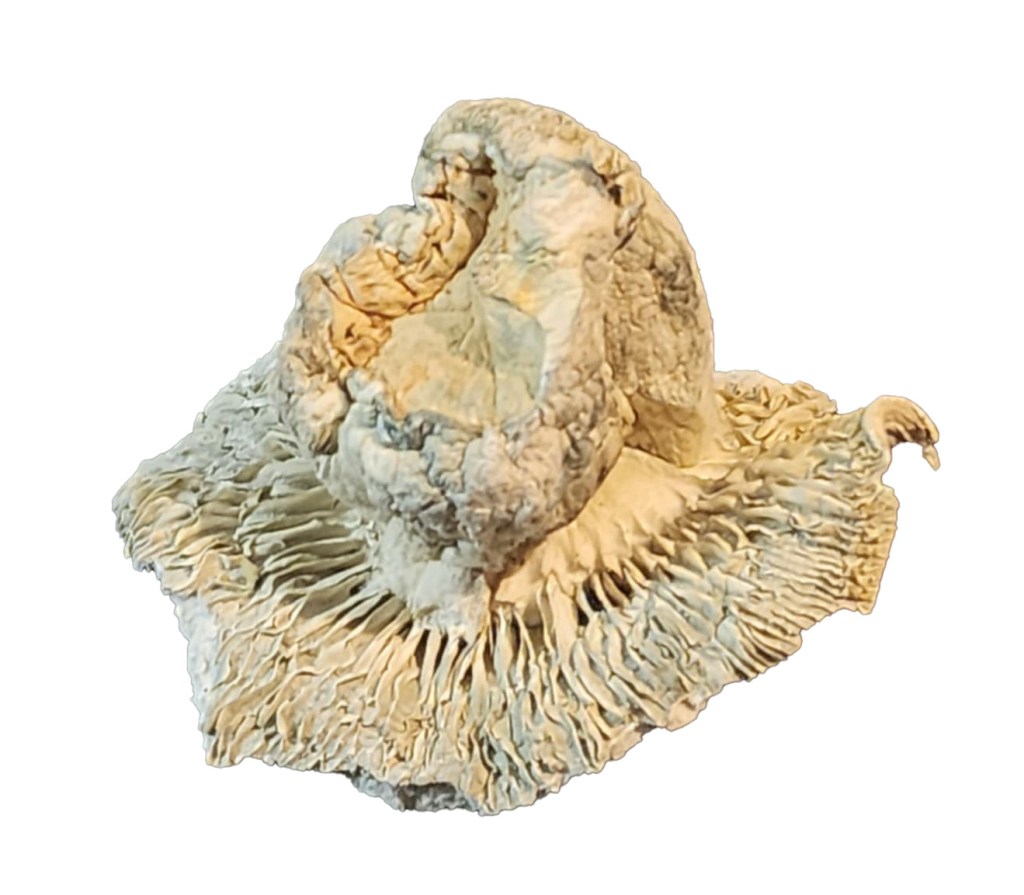
Phobos inherits the albino traits of its presumed parent, Albino Mars, resulting in a visually distinct mushroom. Its fruiting bodies are characterized by pale, almost ghostly white caps that lack the typical golden or brown pigmentation of most P. cubensis strains. These caps are often small to medium in size, ranging from 2 to 5 centimeters in diameter, and may appear slightly wavy or irregular as they mature. The stems are similarly pale, thick, and robust, with a tendency to bruise blue—a classic sign of psilocybin content—when handled.
The lack of pigment gives Phobos an ethereal, otherworldly look, aligning with its celestial namesake. Its spore print, however, remains the standard dark purple-brown of P. cubensis, distinguishing it from true albino strains like Albino Penis Envy, which produce colorless spores. This combination of albino-like flesh and dark spores makes Phobos a striking specimen, both in the grow room and under the microscope.
Potency: A Galactic Force
Specific lab data on Phobos’ tryptamine content—psilocybin, psilocin, and related compounds—is limited, as it hasn’t been prominently featured in events like the Psilocybin Cup. However, anecdotal reports and vendor descriptions suggest it’s a high-potency strain, likely exceeding the average P. cubensis tryptamine level of 0.6–1.2% by dry weight. Drawing from its Albino Mars heritage, Phobos is estimated to fall in the 1.5–2.0% range, placing it among the more powerful P. cubensis varieties, though not quite reaching the extremes of strains like Enigma (3.8%) or Penis Envy.
This potency is attributed to selective breeding for psychoactive strength, a common goal in albino mutations. Phobos’ intensity makes it a strain best suited for experienced users, as even moderate doses can produce profound effects. Variability in potency is expected, as with all mushrooms, influenced by growing conditions and harvest timing, but its reputation consistently points to a formidable psychedelic punch.
Effects: A Kaleidoscopic Odyssey
Phobos is celebrated for delivering a highly visual and euphoric experience, often described as a “kaleidoscopic tapestry” of colors and patterns. Based on user accounts and its marketed profile, here’s a breakdown of its effects across dosage levels:
• Microdose (0.1–0.5g): At low doses, Phobos offers a subtle uplift in mood, heightened sensory perception, and a spark of creativity. Users note a “vibrant” energy, ideal for artistic or introspective pursuits, without overwhelming psychedelia.
• Moderate Dose (1–2g): This range unleashes Phobos’ visual prowess—think swirling hues, geometric overlays, and a sense of motion in static objects. Euphoria dominates, often paired with a warm body high and mild introspection, making it a social or solo delight.
• High Dose (3–5g): At higher doses, Phobos becomes a full-on cosmic plunge. Intense hallucinations—bursting starfields, fractal vistas, and fluid distortions—merge with deep emotional shifts and a sense of transcendence. Some report feeling “untethered” from reality, a nod to its namesake’s fearful intensity.
Tailored for seasoned psychonauts, Phobos’ effects are fast-acting (onset within 20–30 minutes) and last 4–6 hours. Its emphasis on visuals and euphoria sets it apart from strains known for heavy introspection, though high doses can still provoke profound inner exploration. Caution is advised, as its potency can catch novices off guard, potentially leading to overwhelming or anxious trips without proper preparation.
Cultivation: A Grower’s Challenge and Reward
Cultivating Phobos mirrors the process for most P. cubensis strains, though its albino traits suggest some nuances. It grows well on standard substrates like brown rice flour, coir, or manure, thriving in warm, humid conditions (75–80°F during colonization, slightly cooler for fruiting). Colonization takes 2–4 weeks, with fruiting bodies appearing 5–7 weeks post-inoculation under optimal care. Its albino lineage may make it slightly more sensitive to light and contamination than pigmented strains, requiring diligent sterile technique and controlled environments.
Yields are reportedly moderate, with dense clusters of pale mushrooms that stand out against darker substrates. Spore availability is limited, as Phobos isn’t a staple in mainstream spore catalogs, often circulating through specialty vendors or private trades. Once harvested, store Phobos in a cool, dark place to preserve its potency, as psilocybin degrades under heat or light exposure.
Cultural Buzz and Legal Status
Phobos has gained traction among psychedelic enthusiasts, particularly in regions like Washington, D.C., where vendors like Trippy Wizard promote it as a premium strain. Its rarity and vivid effects make it a sought-after choice for those craving a standout trip. Legally, Phobos falls under the same restrictions as all psilocybin-containing mushrooms—illegal in most countries, including the U.S., outside decriminalized areas or research contexts. In places like D.C., where Initiative 81 has softened enforcement, it’s “gifted” rather than sold outright, navigating legal gray areas.
A Strain for the Bold
Phobos, with its pale beauty and potent punch, offers a psychedelic experience that’s as vivid as it is intense. Rooted in the Albino Mars lineage, it combines striking visuals with a euphoric depth that appeals to those ready for a bold journey. While its origins remain elusive and scientific data scarce, its growing reputation speaks volumes. For the seasoned explorer seeking a gateway to colorful, consciousness-expanding realms, Phobos delivers—provided it’s approached with respect and preparation.
As with all magic mushrooms, legality and safety are paramount. Phobos’ strength demands a mindful set and setting, making it a strain for the initiated rather than the novice. In the ever-expanding universe of Psilocybe cubensis, Phobos shines as a rare and radiant star, inviting the brave to explore its mysteries.
Disclaimer: This article is for informational purposes only and does not encourage illegal activities. Always adhere to local laws regarding psilocybin mushrooms.


 Doctor Phillocybin