

Ever feel like your brain’s stuck in molasses? You know the drill: you walk into a room and forget why, misplace your keys for the third time today, or stare blankly at your laptop, wondering what “focus” even means. Welcome to brain fog—a frustrating mental haze that leaves you feeling like your head’s full of cotton candy instead of sharp, shiny thoughts. But what if a tiny dose of nature’s psychedelic wonder, psilocybin, could sweep away the cobwebs and kick your brain into high gear? Let’s dive into the wild, wonderful world of microdosing and explore how this fungal friend might just be the cognitive catalyst you’ve been dreaming of—complete with science, stories, and a sprinkle of fun!
Brain Fog: The Mind’s Mischievous Mist

First, let’s define the enemy. Brain fog isn’t a medical diagnosis but a catch-all for that sluggish, forgetful feeling that creeps in during stress, burnout, or just plain old life overload. Symptoms include poor concentration, memory lapses, and a general sense of “where did my brain go?” For women juggling work, family, or both (hello, moms!), it’s like trying to herd cats while riding a unicycle—blindfolded. Traditional fixes like coffee or naps help, but they don’t always cut through the haze. Enter microdosing psilocybin, the quirky little trick that’s got people buzzing about clearer heads and sharper minds.
Microdosing 101: A Tiny Dose, A Big Boost
Microdosing means taking a sub-perceptual dose of psilocybin—about 0.1 to 0.3 grams of dried magic mushrooms—every few days. No trippy visuals or talking to the furniture here; the goal is subtle enhancement. Think of it as a whisper to your brain: “Hey, let’s tidy up and get moving!” Users report feeling more alert, creative, and—crucially—less foggy, like someone flipped the lights back on upstairs. But how does this mushroom magic actually work?
The Science of Shroomy Clarity
Psilocybin, once metabolized into psilocin in your body, cozies up to serotonin receptors—especially the 5-HT2A ones in your brain’s prefrontal cortex, the VIP zone for memory, focus, and decision-making. Studies suggest this interaction can boost neuroplasticity, aka your brain’s ability to rewire itself. A 2021 study from Nature-Scientific Reports found microdosers showed improved mood and mental clarity over 30 days compared to non-dosers. Another gem from Psychopharmacology (2019) hinted that psychedelics at low doses might enhance cognitive flexibility—your brain’s knack for switching gears without stalling.
But wait, there’s more! A 2022 study in Translational Psychiatry explored psilocybin’s effects on brain connectivity. Researchers found it amps up communication between regions that don’t usually chat much, like giving your brain a better Wi-Fi signal. For brain fog sufferers, this could mean fewer “buffering” moments and more seamless thinking. And while most studies focus on full doses, the microdosing community swears by these mini-hits for daily wins—like remembering where you parked your car without a 10-minute search.
Memory Magic: Psilocybin as a Cognitive Catalyst
Beyond banishing fog, microdosing might just sharpen your memory and supercharge your mind. Anecdotes from users—like a Toronto writer who microdosed and suddenly recalled her grocery list without a Post-it—suggest psilocybin could be a memory booster. Science backs this up a bit: a 2018 study in European Neuropsychopharmacology found low-dose psychedelics improved attention and working memory in rats. Human studies are thinner, but a 2021 Journal of Psychopharmacology paper noted microdosers self-reported better focus and recall after a month.
How? Psilocybin may nudge your hippocampus—the brain’s memory HQ—into overdrive. By enhancing neuroplasticity, it could help forge stronger neural pathways, making it easier to store and retrieve info. Picture it like upgrading from a rusty filing cabinet to a sleek digital database. Plus, less stress (a known memory-killer) from microdosing’s mood-lifting effects means your brain’s freer to focus on remembering your kid’s soccer schedule instead of fretting over it.
Real-Life Brain Boosts: Stories from the Fog-Free Frontier
Take Sarah, a 38-year-old Vancouver mom and graphic designer. She told The Globe and Mail in 2023 that microdosing (0.2 grams every third day) turned her “soupy brain” into a “well-oiled machine.” Deadlines didn’t loom as large, and she stopped forgetting client calls. Or consider Jake, a Calgary coder who posted on Reddit: “Microdosing cleared my head. I could debug code without staring at the screen like it’s hieroglyphics.” These tales aren’t peer-reviewed, but they echo a growing chorus of Canadians saying psilocybin is their secret weapon against mental mush.
Five Ways Microdosing Acts as a Cognitive Catalyst
- Fog-Busting Focus: By tweaking serotonin levels, psilocybin may sharpen attention, helping you zero in on tasks without drifting into la-la land.
- Memory Makeover: Enhanced neuroplasticity could strengthen memory circuits, so you’re less likely to blank on names or dates.
- Creative Sparks: Users often report a surge in problem-solving and “aha!” moments—perfect for untangling life’s mental knots.
- Stress Slayer: Lower anxiety (a fog fuel) means your brain’s not stuck in fight-or-flight, freeing up horsepower for thinking.
- Energy Edge: Unlike caffeine’s jittery buzz, microdosing offers a smooth lift, keeping you alert without the crash.
How to Microdose for Your Mind: A Fun Starter Guide
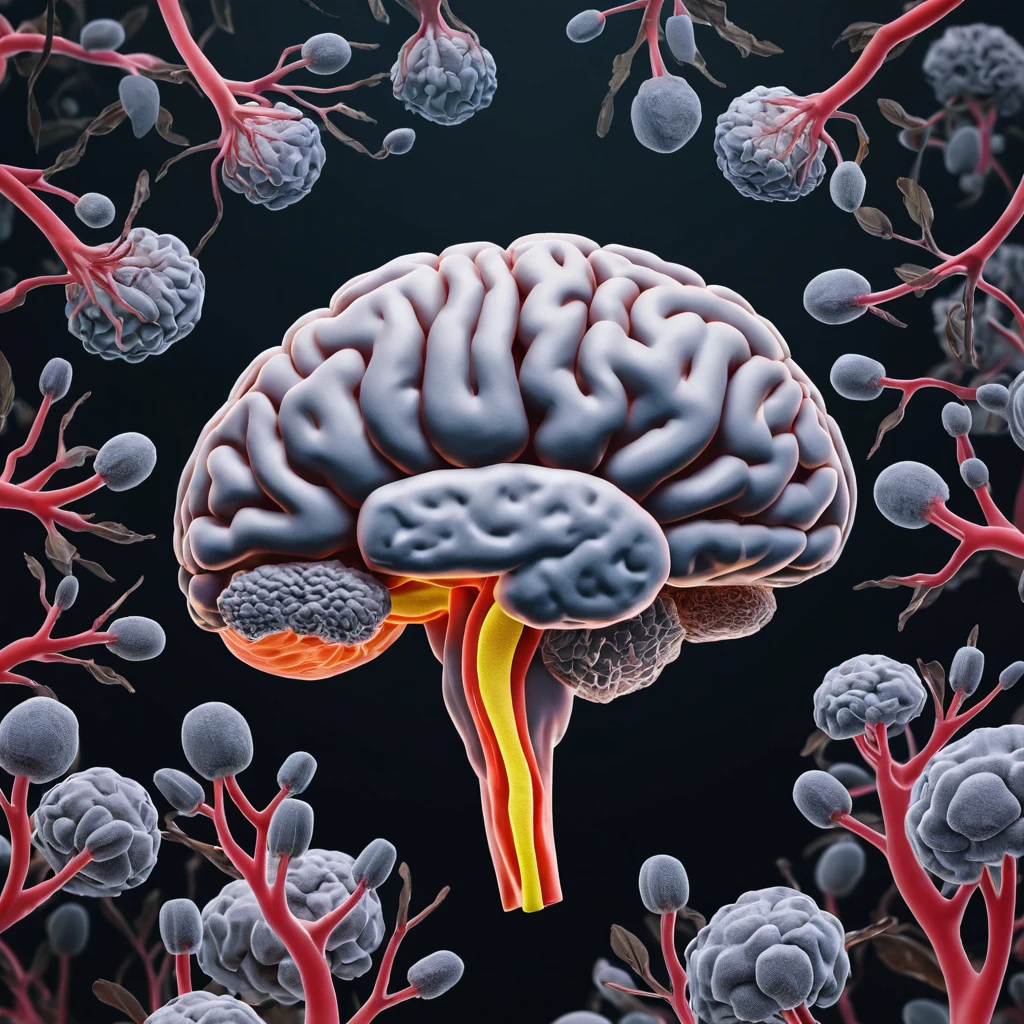
Ready to give your brain a mushroom-powered tune-up? Here’s a playful, practical guide (check local laws—psilocybin’s still a no-no in many places without a prescription or exemption):
- Dose It Right: Start with 0.1 grams of dried psilocybin mushrooms. Use a precision scale—guessing is for baking, not brain boosts!
- Set a Schedule: Try the Fadiman Protocol—dose Day 1, rest Days 2-3, repeat for 4-6 weeks. It’s like a gym plan for your neurons.
- Mix It Up: Grind into powder, pop in a capsule, or steep in tea (mask that funky taste with honey). Take it morning-style for all-day clarity.
- Track the Magic: Keep a journal. Note fog levels, memory wins (like recalling your PIN on the first try), and focus shifts.
- Stay Chill: No heavy machinery or big decisions on dose days—keep it low-key to feel the subtle perks.
The Fine Print: Risks and Reality
Microdosing isn’t a free ride. Some report mild headaches, nausea, or overstimulation—your brain might not love the VIP treatment. Long-term effects are TBD, and if you’ve got a history of psychosis, steer clear. Legalities aside (it’s Schedule I in Canada unless medically approved), purity’s a gamble without regulation. Start slow, stay safe, and maybe chat with a doc first.
The Verdict: A Fungal Fix for Your Think Tank?
Brain fog can make you feel like a zombie, but microdosing psilocybin might just be the antidote—zapping the haze, boosting memory, and turning your mind into a lean, mean, thinking machine. Science is still playing catch-up, but early studies and user buzz suggest this tiny fungal trick could be a cognitive game-changer. So, grab your scale, channel your inner mushroom maestro, and see if “Nature’s Prescription” can clear the fog and light up your brain. Who knew a little shroom could pack such a big mental punch?
Always consult your doctor or health care professional when considering new treatments or medications.


 Doctor Phillocybin