Nestled on Canada’s Atlantic coast, Nova Scotia is renowned for its rugged coastlines, vibrant cultural heritage, and progressive spirit. In recent years, the province, particularly its capital city of Halifax, has emerged as a hub for psychedelic therapy and research, offering hope for those grappling with mental health challenges, addiction, and substance abuse. With a growing body of clinical trials, advocacy groups, and holistic wellness initiatives, Nova Scotia is carving a unique niche in the global psychedelic renaissance. This article explores the state of psychedelic therapy and research in Nova Scotia, highlights key developments in Halifax, and examines complementary therapies and retreats addressing addiction and substance abuse.
The Psychedelic Renaissance in Nova Scotia
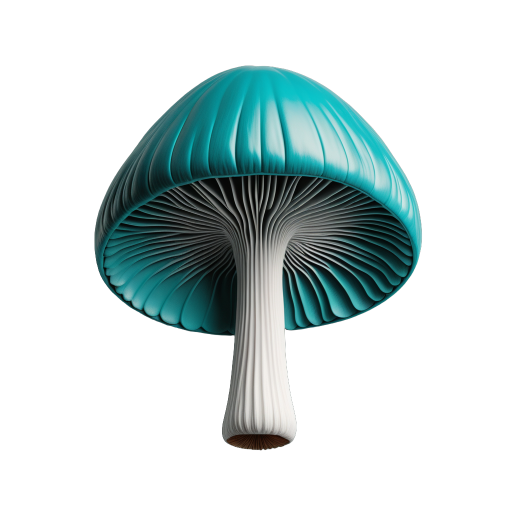
Psychedelic therapy, particularly with psilocybin (the active compound in magic mushrooms), has gained traction worldwide for its potential to treat conditions such as treatment-resistant depression, post-traumatic stress disorder (PTSD), anxiety, and addiction. In Nova Scotia, this movement is fueled by a combination of scientific inquiry, community advocacy, and a cultural openness to holistic healing. While psilocybin remains a Schedule III substance under Canada’s Controlled Drugs and Substances Act, legal pathways for therapeutic use exist through Health Canada’s Special Access Program (SAP) and clinical trials, positioning Nova Scotia as a leader in Canada’s psychedelic landscape.
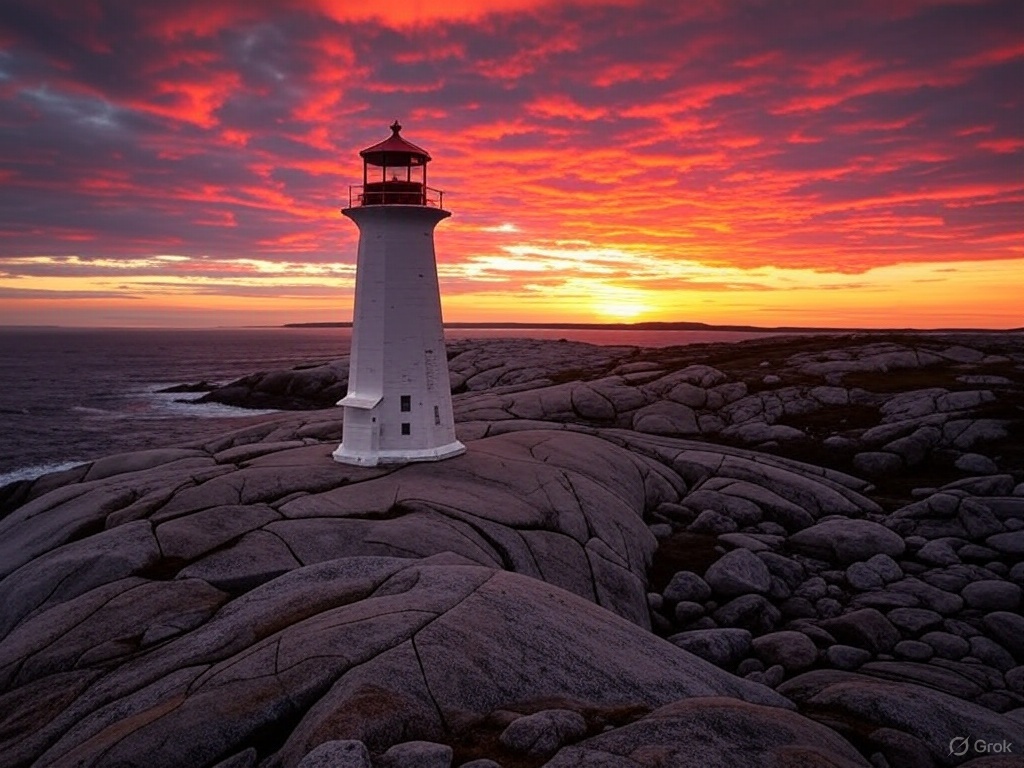
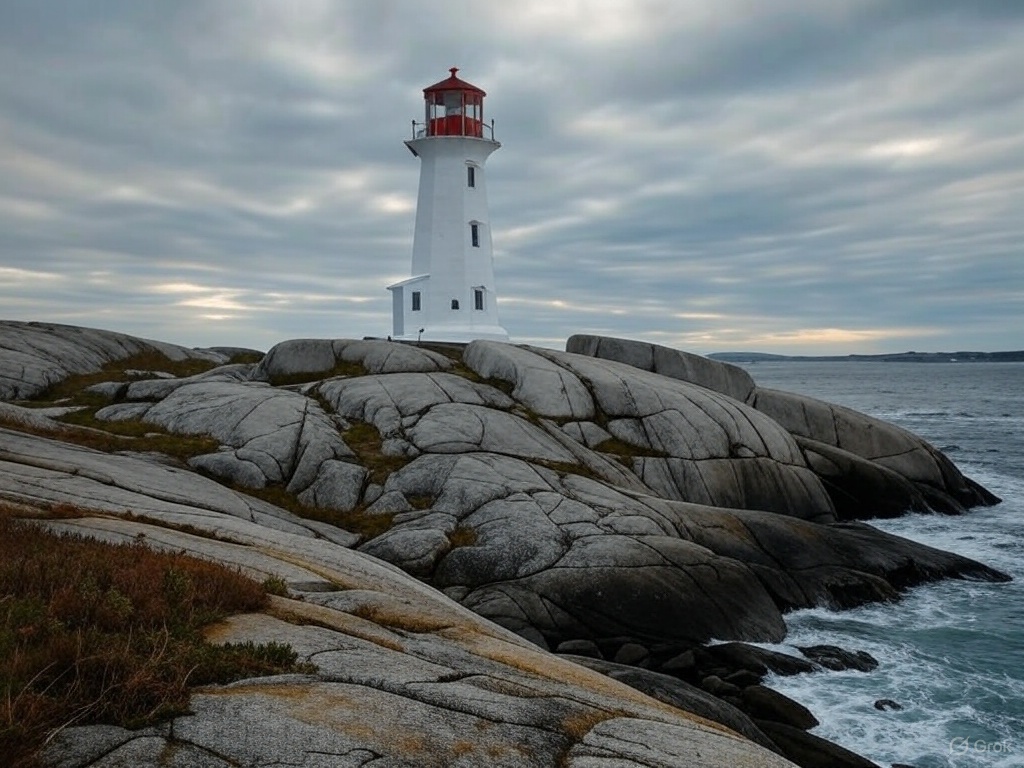
The province’s connection to psychedelics is deeply rooted, with native species like Psilocybe quebecensis discovered in Cape Breton underscoring its ecological ties to these compounds. Nova Scotia’s natural beauty—featuring serene forests, coastal cliffs, and dark-sky preserves—complements the introspective nature of psychedelic experiences, making it an ideal setting for therapeutic exploration.
Psychedelic Therapy and Research in Nova Scotia
Nova Scotia has made significant strides in psychedelic research, with Halifax serving as the epicenter for clinical and academic advancements. Key developments include:
- Halucenex Life Sciences Inc. (Windsor): In 2022, Halucenex launched Nova Scotia’s first clinical trial to investigate psilocybin’s efficacy in treating PTSD. Based in Windsor, approximately an hour from Halifax, this phase II trial marked a milestone in the province’s psychedelic research landscape. Halucenex focuses on developing psilocybin-based therapeutics, aiming to provide evidence for its safety and effectiveness in addressing trauma-related disorders. The trial’s results are expected to inform future regulatory frameworks and expand access to psilocybin therapy.
- Dalhousie University (Halifax): Halifax’s Dalhousie University is a key player in psychedelic research, with faculty exploring the neurobiological and psychological effects of psychedelics. Researchers at Dalhousie are investigating how psilocybin can “reset” neural pathways, particularly in the context of depression and addiction. Collaborative efforts with local clinicians and advocacy groups ensure that research translates into practical therapeutic applications.
- Health Canada’s Special Access Program (SAP): Through the SAP, Nova Scotia patients with serious conditions like end-of-life distress or treatment-resistant depression can access psilocybin under medical supervision. Organizations like TheraPsil, a national non-profit, facilitate this process by connecting patients with trained practitioners in Halifax and beyond. TheraPsil’s work emphasizes ethical, evidence-based therapy, ensuring that sessions are conducted in safe, controlled environments. The cost of SAP-approved psilocybin therapy typically ranges from $3,000 to $5,000, reflecting expenses for professional oversight, facility rentals, and follow-up care.
- Novaket (Halifax): Located in Halifax, Novaket is a clinic specializing in ketamine-assisted psychotherapy, a legal psychedelic-adjacent treatment for treatment-resistant depression, PTSD, and anxiety. While ketamine differs from psilocybin, Novaket’s work signals a broader acceptance of altered-state therapies in Nova Scotia. The clinic’s multidisciplinary approach, combining psychiatry, psychotherapy, and mindfulness, aligns with the integrative ethos of psychedelic healing.
Community Advocacy and Education
The Halifax Psychedelic Society, a non-profit dedicated to harm reduction and education, plays a pivotal role in fostering a supportive community for psychedelic users. The society hosts events, integration circles, and workshops in Halifax, providing spaces for individuals to process their experiences and learn about safe practices. Board members like Laslo, a psychiatric nurse, advocate for trauma-informed care and ethical psychedelic use, emphasizing the importance of professional guidance in therapeutic settings.
The society also collaborates with researchers and clinicians to bridge the gap between community needs and academic advancements. By promoting open dialogue, the Halifax Psychedelic Society reduces stigma and empowers individuals to explore psychedelics responsibly. Their efforts are particularly impactful in addressing addiction, as psilocybin has shown promise in disrupting compulsive behaviors associated with substance use disorders.
Addiction and Substance Abuse Treatment in Nova Scotia
Nova Scotia’s approach to addiction and substance abuse is multifaceted, integrating conventional treatments with innovative therapies and holistic retreats. The province faces significant challenges with opioid misuse and alcohol dependency, particularly in rural areas, making the exploration of psychedelic therapies a timely intervention.
- Psilocybin for Addiction Recovery: Research suggests that psilocybin can facilitate profound psychological shifts, helping individuals break free from addiction by fostering self-awareness and emotional resilience. In Nova Scotia, clinical trials like those conducted by Halucenex are exploring psilocybin’s potential to treat substance use disorders, building on global studies that have shown success with alcohol and nicotine addiction. While psilocybin therapy for addiction is not yet widely available outside trials, SAP exemptions allow some patients to access it for co-occurring conditions like depression.
- Ketamine-Assisted Therapy: Novaket’s ketamine treatments in Halifax offer a legal alternative for addiction recovery, particularly for individuals with co-occurring mental health disorders. Ketamine’s ability to induce dissociative states can help patients process trauma and reduce cravings, making it a valuable tool in Nova Scotia’s addiction treatment landscape.
- Holistic Retreats and Wellness Centers: Nova Scotia’s wellness retreats, often set in idyllic locations like the Annapolis Valley or Cape Breton, integrate mindfulness, yoga, and nature-based therapies to support addiction recovery. For example, retreats like those offered by Shannex in Kings County combine forest therapy, organic nutrition, and counseling to promote holistic healing. While these retreats may not explicitly offer psilocybin, their emphasis on introspection and community aligns with the principles of psychedelic therapy.
- Addiction Services in Halifax: The Nova Scotia Health Authority operates addiction treatment programs in Halifax, including outpatient counseling, detox services, and opioid replacement therapy at facilities like the North End Community Health Centre. These programs often incorporate trauma-informed care, recognizing the link between addiction and underlying psychological wounds—a perspective that dovetails with psychedelic therapy’s focus on addressing root causes.
- Mi’kmaq Healing Practices: In Nova Scotia, Indigenous communities, particularly the Mi’kmaq, offer culturally grounded approaches to addiction recovery. Healing circles, sweat lodges, and traditional medicines are used in communities like Eskasoni (Cape Breton) and Sipekne’katik (Colchester County). While not psychedelic in nature, these practices emphasize spiritual connection and community support, complementing the therapeutic goals of psilocybin therapy.
Challenges and Opportunities
Despite its progress, Nova Scotia faces challenges in expanding psychedelic therapy. The high cost of treatment, limited access outside clinical trials, and regulatory hurdles restrict availability. Public education is also critical, as misconceptions about psychedelics persist. Advocacy groups like the Halifax Psychedelic Society and TheraPsil are addressing these barriers by lobbying for policy reform and increasing awareness.
The province’s rural geography poses additional challenges, as most psychedelic research and therapy are concentrated in Halifax. Expanding access to rural areas, particularly for addiction treatment, will require investment in telehealth and mobile clinics. However, Nova Scotia’s small size and tight-knit communities offer opportunities for grassroots advocacy and localized care models.
Halifax: The Heart of Nova Scotia’s Psychedelic Movement
Halifax, with its blend of urban vibrancy and coastal charm, is the epicenter of Nova Scotia’s psychedelic movement. The city’s academic institutions, like Dalhousie University, drive research, while clinics like Novaket provide cutting-edge treatments. Halifax’s cultural scene, including events like the Halifax Jazz Festival and community gatherings hosted by the Psychedelic Society, fosters an environment of openness and creativity conducive to psychedelic exploration.
The city’s waterfront, lined with historic sites like the Maritime Museum of the Atlantic, offers serene spaces for reflection, while nearby parks like Point Pleasant provide natural settings for integration. Halifax’s progressive healthcare community, exemplified by practitioners trained through TheraPsil, ensures that patients receive compassionate, evidence-based care.
The Future of Psychedelic Therapy in Nova Scotia
Nova Scotia’s psychedelic landscape is poised for growth, with ongoing research, advocacy, and policy reform shaping its trajectory. The success of trials like Halucenex’s could pave the way for broader legalization of psilocybin therapy, potentially mirroring Canada’s cannabis model. Integration with Indigenous healing practices and holistic retreats could further distinguish Nova Scotia as a destination for culturally sensitive, nature-based therapy.
Investment in training programs for psychedelic therapists, such as those offered by TheraPsil, will be crucial to meet growing demand. Additionally, collaborations between researchers, clinicians, and community advocates will ensure that psychedelic therapy remains accessible, ethical, and inclusive.
Conclusion
Nova Scotia, with Halifax at its heart, is a trailblazer in Canada’s psychedelic renaissance. From groundbreaking clinical trials to community-driven advocacy, the province is harnessing the therapeutic potential of psilocybin to address mental health and addiction challenges. Complementary therapies like ketamine-assisted psychotherapy and holistic retreats enhance Nova Scotia’s reputation as a hub for innovative healing. As research progresses and societal attitudes evolve, Nova Scotia is poised to become a global leader in psychedelic therapy, offering hope and transformation against the backdrop of its stunning natural beauty and vibrant communities. For those seeking healing, Halifax and Nova Scotia provide a compassionate, forward-thinking environment where science, nature, and human connection converge.
Visit our website for more information on alternative therapies including psilocybin therapy in Canada and compassionate access at doctorphillocybin.co

 Doctor Phillocybin