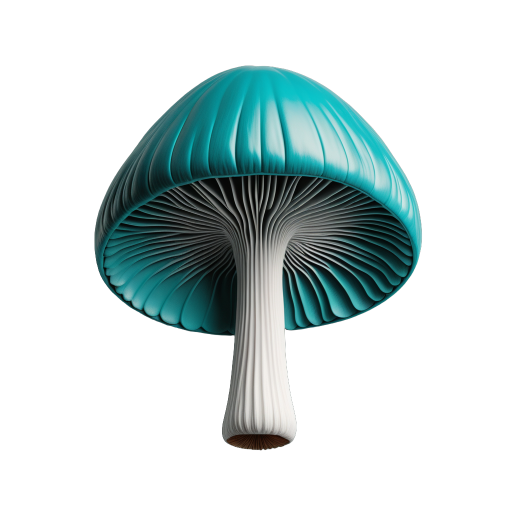
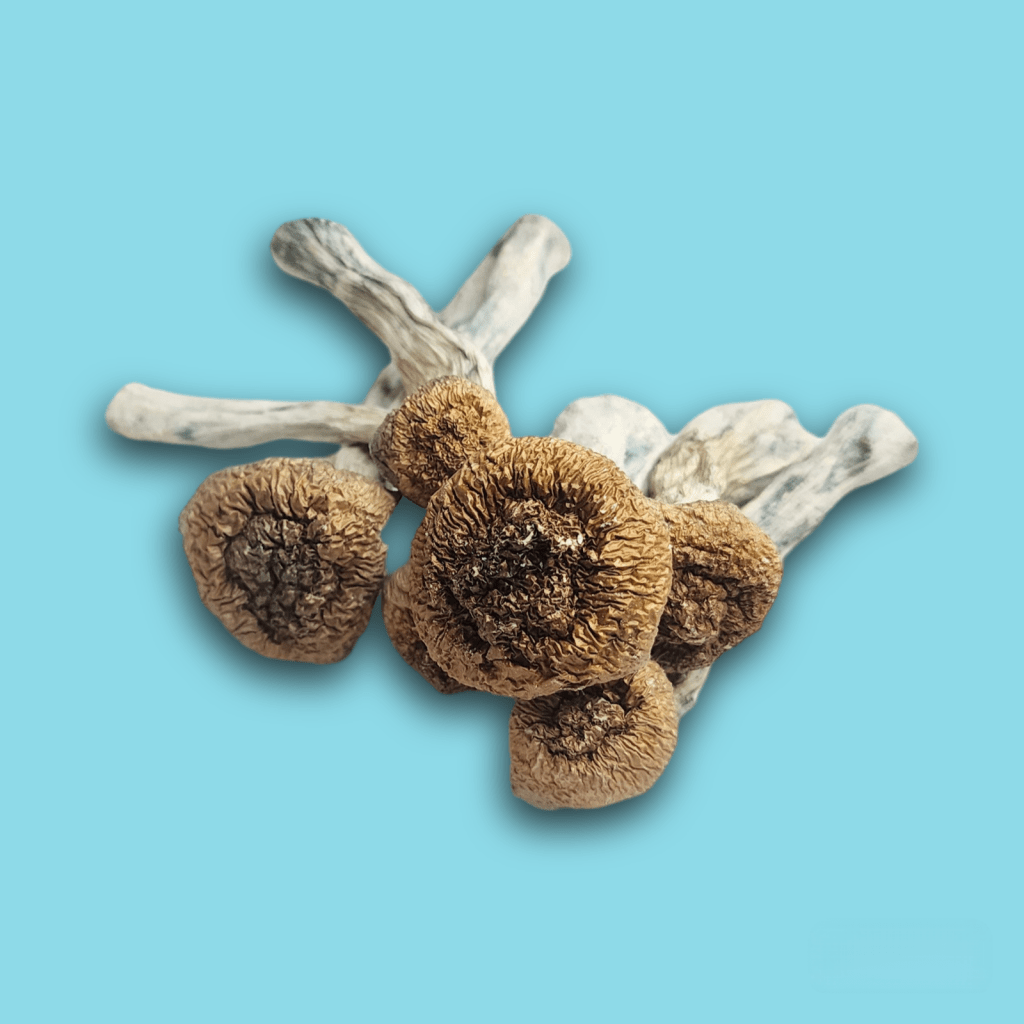
Golden Teacher mushrooms, scientifically known as Psilocybe cubensis, are among the most iconic and widely recognized strains of psychedelic mushrooms. Renowned for their distinctive golden caps, moderate potency, and profound introspective effects, they have captured the attention of psychonauts, cultivators, researchers, and spiritual seekers alike. This article delves into the origins and history of the Golden Teacher strain, its appeal and popularity, potency, cultivation methods, presence in popular culture, and potential benefits and uses, providing a well-researched and detailed overview.
Origins and History
The exact origins of the Golden Teacher strain remain somewhat shrouded in mystery, as is common with many Psilocybe cubensis varieties. It is believed to have first appeared in the late 20th century, with some sources suggesting it was discovered in the Gulf region of the United States, possibly Florida, during the 1980s. Unlike other strains with well-documented collection histories, Golden Teacher’s emergence is less precisely recorded, contributing to its enigmatic allure.
Psilocybe cubensis, the species to which Golden Teacher belongs, has a rich historical context. Native to subtropical and tropical regions, including Central and South America, Mexico, and the southern United States, this species has been used for centuries by Indigenous cultures, particularly in Mesoamerica. The Aztecs revered psilocybin mushrooms, referring to them as teonanácatl (“flesh of the gods”) and incorporating them into religious ceremonies and healing practices. These rituals often involved connecting with the divine, gaining spiritual insights, and treating physical and mental ailments.
The modern Western interest in Psilocybe cubensis, including Golden Teacher, surged in the mid-20th century. Pioneering figures like R. Gordon Wasson, who documented his experiences with psilocybin mushrooms in a 1957 Life magazine article, and Timothy Leary, a prominent advocate of psychedelic exploration, helped popularize these fungi. The counterculture movement of the 1960s embraced mushrooms as tools for breaking free from societal norms and expanding consciousness, cementing their place in modern psychedelic history. Golden Teacher, with its approachable effects, became a symbol of enlightenment during this period.
The name “Golden Teacher” is thought to reflect both the mushroom’s golden-yellow caps and the profound, introspective experiences it facilitates, often described as educational or spiritually enlightening. This nomenclature underscores its historical association with wisdom and personal growth, a theme that persists in its contemporary use.
Appeal and Popularity
Golden Teacher’s widespread popularity stems from a combination of its aesthetic appeal, moderate potency, ease of cultivation, and transformative effects. Several factors contribute to its status as a cornerstone strain in the psychedelic community:
• Visual Appeal: Golden Teacher mushrooms are easily recognizable by their striking golden or yellowish caps, often speckled with yellow, and their elegant, long, and sometimes winding stems. The caps, which can grow up to 3 inches in diameter, typically feature a convex shape that flattens with maturity, and the gills range from white to purplish-brown. This distinctive appearance makes them a favorite among cultivators and foragers.
• Moderate Potency: With a psilocybin content ranging from 0.61% to 1.2% and psilocin around 0.60%, Golden Teacher is considered moderately potent compared to strains like Penis Envy (up to 2% psilocybin). This balanced potency makes it an ideal choice for beginners seeking a gentle introduction to psychedelics and experienced users looking for a manageable yet profound experience. Users often report euphoria, heightened sensory perception, and introspective insights without overwhelming visuals.
• Ease of Cultivation: Golden Teacher is one of the most grower-friendly Psilocybe cubensis strains. It is highly resistant to contamination, colonizes quickly, and adapts to a variety of substrates, including rye grain, vermiculite, coco coir, and manure. Its resilience and ability to thrive in suboptimal conditions make it a top recommendation for novice cultivators.
• Transformative Experiences: The strain is celebrated for its “teacher-like” qualities, often guiding users through introspective and spiritually enlightening journeys. Many describe feelings of interconnectedness, clarity, and personal growth, which resonate with both recreational and therapeutic users. The name “Golden Teacher” is a nod to these educational experiences, making it particularly appealing to those seeking self-reflection or spiritual exploration.
Golden Teacher is believed to be one of the most common psychedelic mushroom strains in North America, a testament to its widespread availability and appeal. Its prominence is further amplified by its influence on other strains, with varieties like True Albino Teacher and Golden Halo likely derived from its genetics through selective breeding.
Potency
Golden Teacher mushrooms are of average to moderate potency within the Psilocybe cubensis species. Their psychoactive effects are primarily driven by psilocybin and psilocin, which interact with serotonin receptors in the brain to alter mood, cognition, and perception. Based on data from the Psilocybin Cup, Golden Teacher’s total tryptamine content (including psilocybin, psilocin, and related compounds) ranges from 0.7% to 1.2%. This places it below high-potency strains like Penis Envy or Tidal Wave but above milder varieties.
The effects of Golden Teacher typically last 2 to 4 hours, shorter than some other strains, which is advantageous for beginners wary of prolonged trips.
Users commonly report:
• Euphoria and Calmness: A sense of joy and relaxation, often accompanied by a body high.
• Mild Visual Effects: Subtle visual distortions, enhanced colors, or geometric patterns.
• Introspection and Spirituality: Profound self-reflection, feelings of unity with the universe, and spiritual insights.
• Sensory Amplification: Heightened touch, sight, and sound, described as experiencing the world in “high definition.”
However, effects vary based on dosage, individual sensitivity, set (mindset), and setting (environment). Higher doses (2–3.5 grams dried) may intensify visuals and introspection, while microdoses (0.1–0.5 grams) promote subtle mood enhancement and creativity without hallucinations. Potential side effects include nausea, anxiety, or, in rare cases, more severe psychological distress, emphasizing the importance of responsible use in a safe environment.
Potency can also fluctuate depending on cultivation conditions. Mushrooms grown in nutrient-rich substrates or harvested just before the veil breaks tend to have higher psilocybin levels. Conversely, potency decreases if mushrooms are exposed to high temperatures (above 100°C) or improperly stored, as psilocybin degrades rapidly.
Cultivation
Golden Teacher is a favorite among cultivators due to its ease of growth, resilience, and reliable yields. It thrives in a variety of conditions, making it an excellent choice for both beginners and experienced mycologists. Key aspects of its cultivation include:
• Substrates: Golden Teacher grows well on common substrates like rye grain, brown rice flour (BRF), wild bird seed, manure, or a coco coir-vermiculite mix. Its adaptability allows cultivators to experiment with different methods, such as the PF Tek, Uncle Ben’s Tek, or monotub setups.
• Environmental Conditions: Optimal growth requires a temperature of 20–25°C (68–77°F), high humidity (80–90%), and proper air exchange. During the fruiting stage, a 12-hour light cycle with low-watt lights can enhance yields, though it’s not strictly necessary. Mushrooms grown in darkness may have higher psilocybin levels, but light-grown specimens are more consistent.
• Colonization and Fruiting: Colonization typically takes 2–3 weeks, with an additional week recommended to ensure full mycelial development. Fruiting occurs within 1–2 weeks after introducing the substrate to fruiting conditions, producing medium to large mushrooms in dense clusters over 2–4 flushes. Golden Teacher is less prone to aborts (incomplete mushrooms) and contamination compared to other strains.
• Spore Availability: Golden Teacher spores are widely available as spore syringes or prints, legal in many regions (e.g., most of the U.S., except California, Georgia, and Idaho) for microscopy and taxonomy purposes. Cultivation for consumption, however, is illegal in most countries, including the U.S. and Canada, unless decriminalized locally (e.g., Oregon, Vancouver, or certain California cities).
Cultivators value Golden Teacher for its fast colonization rates and ability to produce large, visually appealing fruiting bodies. Its resilience in the wild, often found in cow pastures or grassy fields in subtropical climates, translates to robust growth in controlled settings.
Use and Appearance in Popular Culture
Golden Teacher mushrooms have left a significant mark on popular culture, particularly within the psychedelic and counterculture movements. Their prominence began in the 1960s, when psychedelics became symbols of rebellion and self-discovery. Influential figures like Timothy Leary and Terence McKenna, who co-authored Psilocybin: Magic Mushroom Grower’s Guide in the 1970s, helped elevate Psilocybe cubensis strains, including Golden Teacher, to cultural icons. McKenna’s work emphasized the spiritual and philosophical potential of mushrooms, aligning with Golden Teacher’s reputation for introspective journeys.
In modern media, Golden Teacher appears in various contexts:
• Literature and Blogs: Websites like Tripsitter, Psychedelic Spotlight, and Think Mushrooms frequently review Golden Teacher, highlighting its effects and cultivation. These platforms cater to a growing community of psychedelic enthusiasts and researchers.
• Social Media and Forums: On platforms like Reddit (e.g., r/Mushrooms, r/unclebens), Golden Teacher is a frequent topic of discussion. Users share cultivation tips, trip reports, and images of their harvests, with posts like “The Holy Grail of Wild Golden Teachers” garnering significant engagement. These communities foster knowledge-sharing and normalize psychedelic exploration.
• Therapeutic Narratives: Articles, such as one from Youtime detailing a guided psilocybin session with Golden Teacher, reflect its use in modern therapeutic settings. These accounts emphasize the strain’s role in addressing trauma, PTSD, and depression, often under the guidance of a therapist or facilitator.
• Pop Culture References: While not always named explicitly, Psilocybe cubensis strains like Golden Teacher are alluded to in music, art, and film associated with psychedelic culture. For example, the 1960s psychedelic rock movement and modern festivals like Burning Man often celebrate the mushroom’s influence on creativity and spirituality.
Golden Teacher’s cultural significance is amplified by its accessibility. Its ease of cultivation and moderate effects make it a gateway for many entering the psychedelic world, contributing to its enduring presence in both underground and mainstream contexts.
Benefits and Uses
Golden Teacher mushrooms offer a range of potential benefits, spanning recreational, therapeutic, and spiritual domains. While psilocybin remains a Schedule I substance in many countries, growing research and decriminalization efforts are shedding light on its applications:
• Therapeutic Potential: Psilocybin, the active compound in Golden Teacher, is being studied for its efficacy in treating mental health conditions like depression, anxiety, PTSD, and addiction. Research from institutions like Johns Hopkins University suggests that psilocybin can induce mystical experiences with lasting positive effects on mood and well-being. Golden Teacher’s moderate potency makes it suitable for psychedelic-assisted therapy, offering a balanced experience that minimizes overwhelm.
• Creativity and Self-Awareness: Users report enhanced creativity, problem-solving, and self-awareness, particularly with microdosing regimens. Microdoses of Golden Teacher (0.1–0.5 grams) are used to boost productivity, social openness, and emotional clarity without inducing hallucinations.
• Spiritual Exploration: Golden Teacher is often used in meditative or ceremonial settings to foster feelings of interconnectedness and unity. Its introspective effects align with practices like solo meditation or group rituals, echoing its historical use in Mesoamerican cultures.
• Antibacterial and Antioxidant Properties: Preliminary studies indicate that Psilocybe cubensis strains, including Golden Teacher, may possess antibacterial, antioxidant, and anti-inflammatory properties, suggesting potential medicinal applications beyond their psychoactive effects.
• Recreational Use: For recreational users, Golden Teacher provides a manageable psychedelic experience, ideal for social settings or nature-based trips. Methods like Lemon Tek (mixing ground mushrooms with citrus juice) or shroom tea enhance onset and reduce nausea, making it accessible to a wide audience.
Despite these benefits, responsible use is critical. Psilocybin can cause adverse effects, particularly in high doses or unsuitable settings, and is contraindicated for individuals with certain mental health conditions (e.g., schizophrenia). Legal restrictions also limit access, though decriminalization in places like Oregon and Colorado is expanding opportunities for research and personal use.
Conclusion
Golden Teacher mushrooms stand out as a revered strain of Psilocybe cubensis, blending historical significance, aesthetic appeal, and versatile applications. From their mysterious origins in the 1980s to their deep roots in Mesoamerican spiritual practices, they have evolved into a cultural and therapeutic touchstone. Their moderate potency, ease of cultivation, and profound effects make them a favorite among beginners and seasoned users alike. As research into psilocybin’s benefits grows and legal barriers shift, Golden Teacher is poised to remain a guiding force in the psychedelic renaissance, offering insights, healing, and connection to those who approach it with respect and intention.
For further information, consult reputable sources like Psilopedia.ca, Tripsitter.com, or scientific literature from institutions like Johns Hopkins University. Always verify the legal status of psilocybin in your region and prioritize safety in any psychedelic exploration.

 Doctor Phillocybin