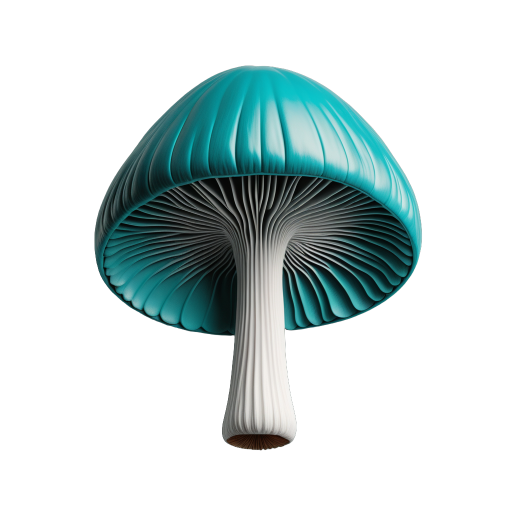


Magic mushroom chocolates, a delightful fusion of psychedelic mushrooms and the universally beloved treat of chocolate, represent a unique intersection of ancient traditions, modern innovation, and therapeutic potential. This article explores the rich history of magic mushroom chocolates, the process of their creation, and the reasons they are celebrated for their potential benefits.
The Historical Roots of Magic Mushroom Chocolates
The story of magic mushroom chocolates begins with two distinct yet intertwined histories: that of psychedelic mushrooms and cacao, the foundational ingredient of chocolate. Both have been revered for millennia by various cultures, often for spiritual, medicinal, or ceremonial purposes.
Psychedelic Mushrooms in Ancient Cultures
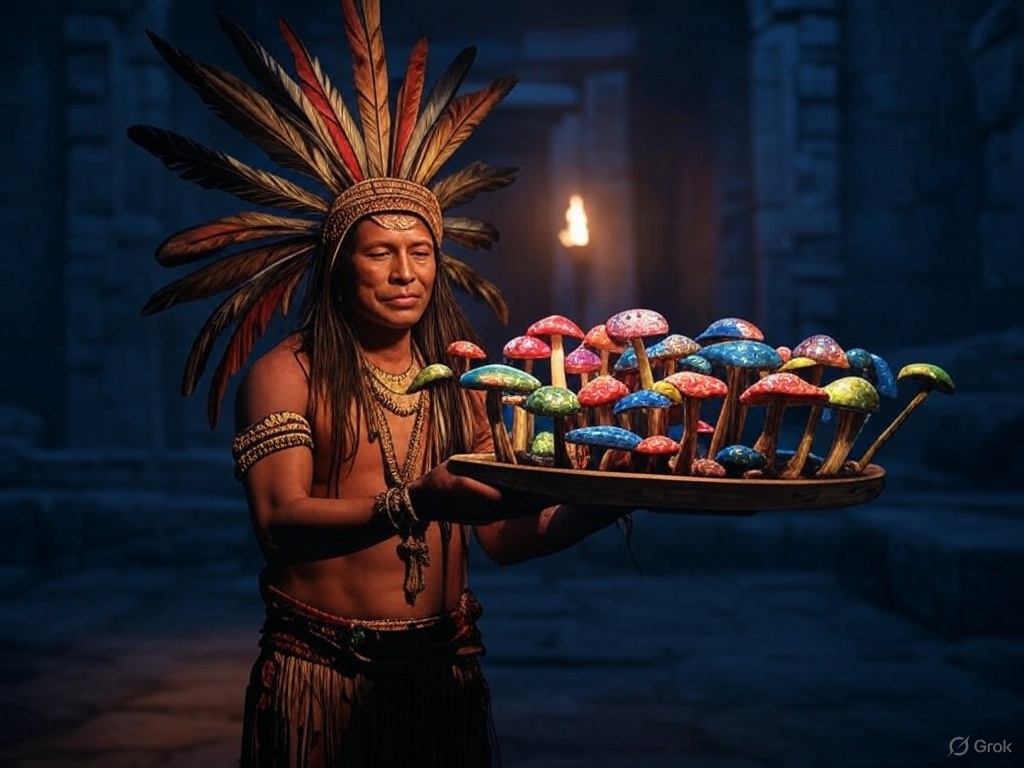
Psychedelic mushrooms, particularly those of the genus Psilocybe, contain the psychoactive compound psilocybin, which induces altered states of consciousness. Evidence of their use dates back thousands of years. One of the earliest depictions of hallucinogenic mushroom use appears in a 4000 BCE cave painting in Spain, featuring what may be Psilocybe hispanica, a species known for its psychoactive properties. In Mesoamerica, indigenous peoples such as the Aztecs and Mazatecs used Psilocybe species in religious rituals and healing practices, referring to them as teonanácatl, or “flesh of the gods.” These mushrooms were believed to facilitate communication with the divine, enhance spiritual insight, and promote physical and emotional healing.
The traditional consumption of magic mushrooms often involved eating them raw, brewing them into teas, or mixing them with other foods. However, their bitter, earthy taste made them less palatable, prompting creative methods to improve their ingestion.
Cacao: The Sacred Bean
Parallel to the use of mushrooms, cacao (Theobroma cacao) held a sacred status in Mesoamerican cultures. The Mayans and Aztecs considered cacao a divine gift, using it in rituals, as a currency, and as a bitter beverage called xocolatl. This drink, made from cacao beans, was often spiced with chili or sweetened with honey and consumed during ceremonies. Cacao’s stimulating properties, derived from compounds like theobromine, complemented its cultural significance, enhancing mood and energy.
The connection between cacao and mushrooms likely emerged in Mesoamerica, where some evidence suggests that the Aztecs combined cacao with Psilocybe mushrooms in what is sometimes called the “Aztec combo.” This pairing may have been intended to enhance the psychedelic experience, as cacao contains mild psychoactive compounds like tyramine and phenylethylamine (PEA), which could subtly amplify or prolong the effects of psilocybin.
The European Encounter and Evolution
When European explorers arrived in the Americas in the 15th and 16th centuries, they encountered both cacao and psychedelic mushrooms. Chocolate, derived from cacao, was introduced to Europe as a luxury item, initially consumed as a bitter drink before sugar and milk transformed it into the sweet treat we know today. However, the use of psychedelic mushrooms did not gain the same traction in Europe at the time, largely due to cultural differences and the Catholic Church’s suppression of indigenous practices deemed heretical.
The modern concept of magic mushroom chocolates as a distinct product emerged much later, likely in the 20th century, during the psychedelic renaissance. In the 1950s, ethnomycologist R. Gordon Wasson brought global attention to Psilocybe mushrooms after documenting their use among the Mazatec people in Mexico. This sparked interest in the West, particularly during the counterculture movement of the 1960s and 1970s, when psychedelics like psilocybin became symbols of exploration and rebellion.
As enthusiasts sought more palatable ways to consume magic mushrooms, combining them with chocolate became a natural evolution. Chocolate’s rich flavor masked the mushrooms’ bitterness, while its cultural association with pleasure and indulgence made it an appealing medium. By the late 20th century, homemade magic mushroom chocolates began circulating in underground circles, laying the groundwork for their contemporary popularity.
The Modern Era: From Underground to Mainstream
In recent decades, magic mushroom chocolates have transitioned from a niche, DIY creation to a burgeoning market product. The legalization of recreational cannabis in parts of the world and growing interest in psychedelic therapy have fueled this trend. By the early 21st century, artisanal producers began crafting magic mushroom chocolates with precision dosing and premium ingredients, elevating them from crude edibles to sophisticated treats.
Today, magic mushroom chocolates are sold in various forms—bars, truffles, and bonbons—often marketed for microdosing or recreational use in regions where psilocybin is decriminalized or tolerated, such as parts of Canada, Oregon, and Colorado. Brands like Polkadot Shroom Bar and Azul Chocolates have emerged, emphasizing quality, safety, and aesthetic appeal, reflecting a shift toward mainstream acceptance.
How Magic Mushroom Chocolates Are Made
Creating magic mushroom chocolates is a straightforward yet precise process that balances flavor, potency, and safety. While recipes vary, the core method involves infusing chocolate with dried, powdered psychedelic mushrooms. Here’s a detailed breakdown of the process:
Ingredients
- Dried Magic Mushrooms: Typically Psilocybe cubensis or similar species, dried to preserve psilocybin and ensure accurate dosing. Fresh mushrooms are less common due to their high water content.
- Chocolate: High-quality dark, milk, or ceremonial cacao (raw, unprocessed cacao) is used. Dark chocolate (at least 70% cacao) is popular for its robust flavor and potential synergy with psilocybin.
- Optional Additives: Sweeteners (honey, sugar), flavorings (vanilla, cinnamon), or functional ingredients (raw cacao powder for MAOI effects) may be included.
Equipment
- Double boiler or bain-marie (a heat-safe bowl over a pot of simmering water)
- Sharp knife or coffee grinder
- Silicone molds or a baking tray
- Thermometer (to monitor chocolate temperature)
Step-by-Step Process
- Prepare the Mushrooms: Ensure the mushrooms are fully dried, as moisture can degrade chocolate’s texture. Using a knife or grinder, pulverize them into a fine powder. The finer the powder, the more evenly it distributes in the chocolate.
- Melt the Chocolate: Break the chocolate into small pieces and place it in a heat-safe bowl. Set the bowl over a pot of simmering water (double boiler method) to gently melt it. Keep the temperature below 70°C (158°F), as psilocybin degrades above this threshold. Stir until fully melted and smooth.
- Incorporate the Mushrooms: Remove the melted chocolate from heat and let it cool slightly (to around 40-50°C). Gradually mix in the mushroom powder, stirring thoroughly to ensure even distribution. If using raw cacao for enhancement, add it here.
- Pour into Molds: Carefully pour the mixture into silicone molds or a tray. Tap the molds gently to remove air bubbles.
- Set the Chocolate: Place the molds in a refrigerator for 1-2 hours until the chocolate hardens. Once set, pop the chocolates out of the molds.
- Storage: Store in a cool, dry place, ideally in an airtight container, to preserve potency and flavor.
Dosing Considerations
Accurate dosing is critical. A standard microdose (0.1-0.5 grams of dried mushrooms) or a moderate dose (1-3 grams) is calculated based on the total mushroom weight and divided by the number of chocolate pieces. For example, 6 grams of mushrooms in a 24-square mold yields 0.25 grams per square—ideal for microdosing.
Safety Notes
- Psilocybin is heat-sensitive, so maintaining low temperatures is essential.
- Hygiene is key to avoid contamination.
- Legal status varies by region, so production should comply with local laws.
Why Magic Mushroom Chocolates Are Beneficial
Magic mushroom chocolates offer a unique combination of sensory pleasure and potential therapeutic effects, making them increasingly popular. Here’s why they are considered beneficial:
1. Improved Palatability
Raw magic mushrooms have a bitter, earthy taste that many find unpleasant. Chocolate masks this flavor with its rich sweetness, making consumption more enjoyable and accessible, especially for newcomers.
2. Synergistic Effects with Chocolate
Chocolate contains compounds like theobromine, tyramine, and PEA, which may enhance the psychedelic experience. Raw cacao, a mild monoamine oxidase inhibitor (MAOI), could slightly prolong psilocybin’s effects by slowing its metabolism, a practice rooted in the Aztec tradition of “cacahua-xochitl” (chocolate-mushrooms). Additionally, chocolate’s mood-boosting properties (via serotonin and dopamine release) complement psilocybin’s psychoactive effects.
3. Precise and Convenient Dosing
Unlike raw mushrooms, which vary in potency, chocolates can be pre-measured into consistent doses. This allows users to tailor their experience—whether microdosing for focus and creativity or taking a larger dose for a full psychedelic journey—while offering portability and discretion.
4. Potential Therapeutic Benefits
Psilocybin has shown promise in clinical research for treating mental health conditions such as depression, anxiety, PTSD, and addiction. Microdosing, a common use for magic mushroom chocolates, is anecdotally linked to enhanced mood, reduced stress, improved concentration, and increased creativity. Chocolate’s antioxidants and mood-lifting properties may amplify these effects, creating a holistic experience.
5. Smoother Onset and Reduced Nausea
The fat content in chocolate may slow psilocybin’s absorption, leading to a gentler onset of effects compared to raw mushrooms, which can cause stomach upset due to their chitin content. This smoother delivery enhances comfort, particularly for therapeutic or recreational use.
6. Cultural and Ritualistic Appeal
Combining two historically sacred substances, magic mushroom chocolates evoke a sense of ceremony and mindfulness. The act of savoring each piece can deepen the user’s connection to the experience, aligning with ancient traditions of intentional consumption.
7. Accessibility for Exploration
For those curious about psychedelics, chocolates offer an approachable entry point. Their familiar form reduces intimidation, encouraging safe, controlled exploration of psilocybin’s effects.
Conclusion
Magic mushroom chocolates are more than a trendy edible—they are a bridge between ancient wisdom and modern innovation. From their origins in Mesoamerican rituals to their current status as a sought-after psychedelic treat, they embody a rich history of human curiosity and creativity. The process of making them is simple yet precise, blending the earthy potency of mushrooms with the indulgent allure of chocolate. Their benefits—improved taste, potential therapeutic effects, and ease of use—make them a compelling option for both seasoned psychonauts and newcomers alike.
As research into psilocybin’s potential continues to grow and societal attitudes shift, magic mushroom chocolates stand poised to play a significant role in the evolving landscape of wellness and consciousness exploration. Whether savored for their flavor, their effects, or their historical resonance, they offer a deliciously profound journey into the past and the future.

 Doctor Phillocybin