

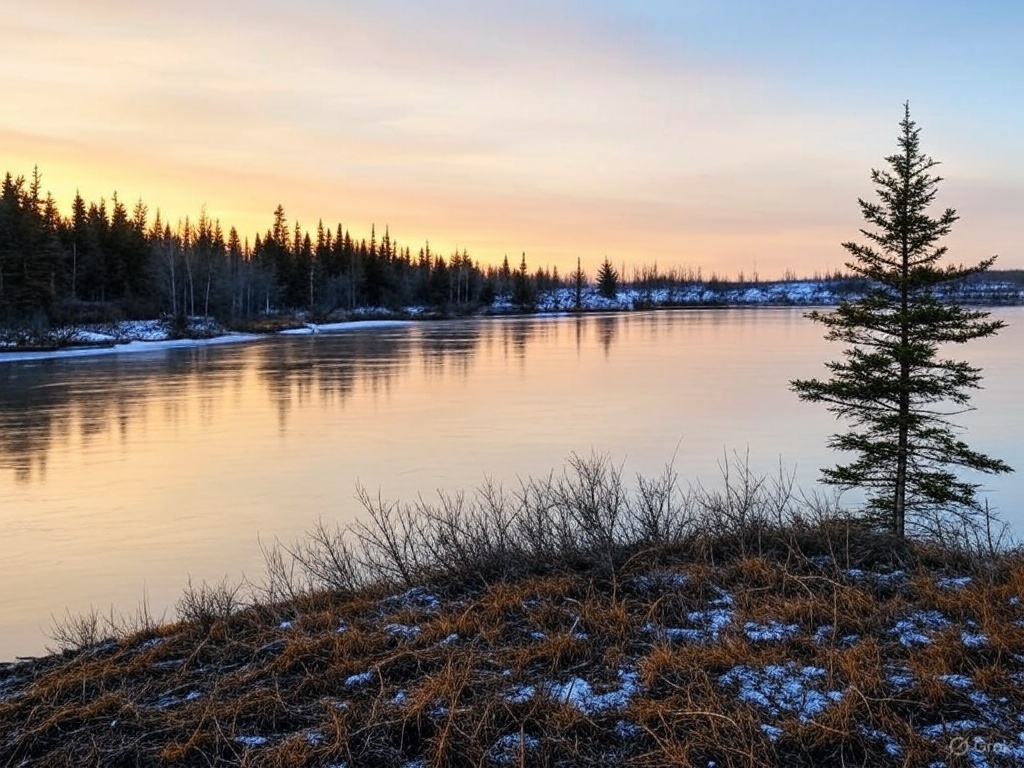
Manitoba, a province whose name derives from the Ojibwe term Manidoobaa—meaning “Great Spirit”—is a land of profound natural beauty, rich cultural heritage, and emerging opportunities for holistic healing. Nestled in the heart of Canada, Manitoba offers a unique blend of rugged wilderness, vibrant urban centers, and a growing interest in alternative therapies like psychedelic therapy, psilocybin therapy, breathwork, ancestral healing and cultural experiences, as well as retreats and festivals. This article delves into the province’s potential for using magic mushrooms (psilocybin) and medicinal mushrooms along with new breakthroughs in Psychedelic Therapy and treatment for mental health, addiction recovery, and depression. From the arctic wildlife of Churchill and its wildlife tours showcasing their majestic Polar bears and Beluga whales to the cultural festivals of Winnipeg, Manitoba is a vibrant tapestry of experiences waiting to be explored. After a discussion on holistic therapy in Manitoba this article goes into some detail on its history, culture and landscape.
Medicinal Mushrooms in Manitoba
Psilocybin, the psychoactive compound found in magic mushrooms, has garnered increasing attention for its potential to treat mental health conditions such as depression, anxiety, and post-traumatic stress disorder (PTSD). While psilocybin remains illegal under Canada’s Controlled Drugs and Substances Act, Manitoba has seen flickers of a psychedelic renaissance. In May 2023, Magic Mush, billing itself as Winnipeg’s first psilocybin dispensary, opened on Osborne Street, operated by Ontario-based owners. This bold move reflects a growing public interest in psychedelics, despite legal risks, as the store operates in a gray area, prompting police scrutiny but also highlighting demand. Those in need of treatment for PTSD, depression or addiction recovery are now able to apply under Health Canada Exemptions for access to newly developed psychedelic treatments or can order psilocybin products and medicinal mushrooms from compassionate providers and online dispensaries.
Canada has taken steps toward legitimizing psilocybin for therapeutic use. Since 2020, Health Canada has granted exemptions under Section 56 of the Act, allowing terminally ill patients and healthcare providers to use psilocybin for end-of-life care and training purposes. In Manitoba, this shift has sparked curiosity, though no formal psychedelic therapy clinics have been widely established yet. Posts on platforms like Reddit (e.g., r/Winnipeg, May 2024) show residents seeking ketamine-assisted therapy for depression, suggesting an appetite for broader psychedelic options like psilocybin.
Medicinal Mushrooms: A Holistic Alternative
Beyond psychedelics, medicinal mushrooms like reishi, lion’s mane, and chaga thrive in Manitoba’s forests and are gaining traction for their health benefits. Lion’s mane, for instance, is praised for its neuroprotective properties, potentially aiding memory and mood. Local businesses and foragers in rural areas like Sandilands Provincial Forest are beginning to tap into this resource, offering tinctures, teas, and powders. While not psychoactive, these mushrooms align with Manitoba’s holistic healing ethos, complementing practices like breathwork and meditation.
Manitoba’s Natural Beauty and Holistic Healing Opportunities
Churchill: Arctic Wildlife Tourism
Churchill, known as the “Polar Bear Capital of the World,” sits on the edge of Hudson Bay and offers unparalleled arctic wildlife tourism. Visitors can witness polar bears, beluga whales, and the northern lights, making it a prime spot for nature-based retreats and exploration. The serene tundra landscape lends itself to mindfulness practices, and some retreat organizers are exploring the integration of breathwork—deep, rhythmic breathing to reduce stress or things like Yoga—with these wilderness experiences.
Red River Valley and Sandilands Provincial Forest
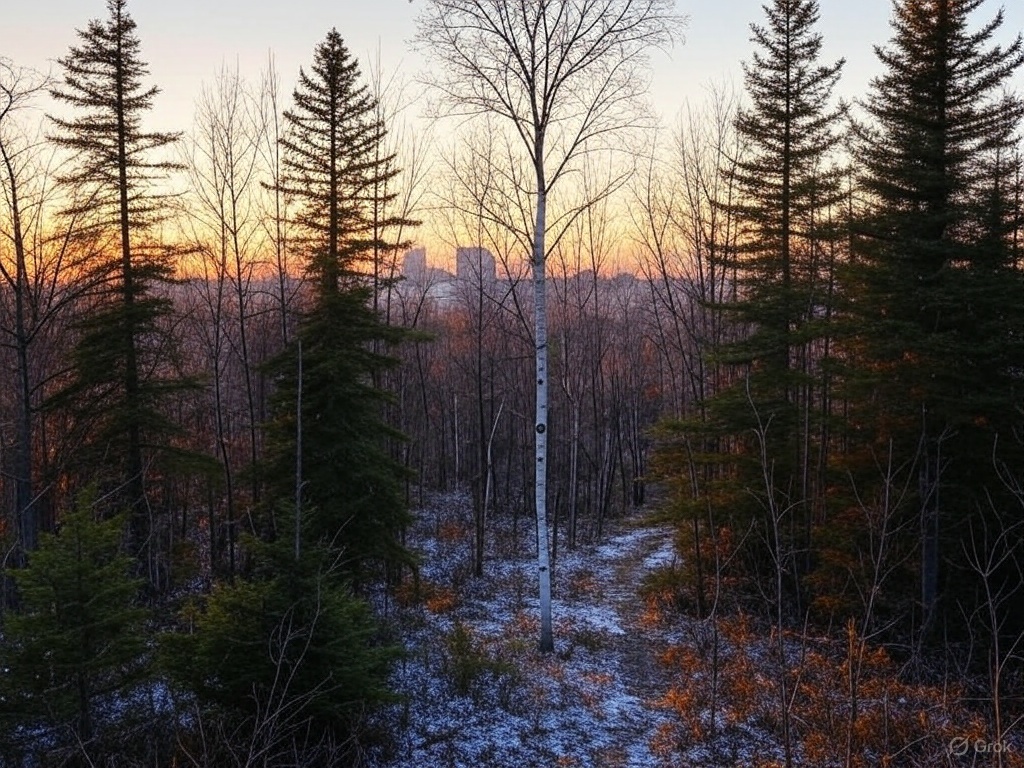
The Red River Valley, stretching south of Winnipeg, is a fertile expanse of rolling plains and historic sites, ideal for outdoor meditation or foraging retreats. Sandilands Provincial Forest, in southeastern Manitoba, boasts towering pines and sandy ridges, offering a tranquil setting. These natural havens provide a backdrop for holistic healing, drawing those seeking respite from urban life.
Retreats and Alternative Therapies
Manitoba’s retreat scene is blossoming, with offerings like Kambo Manitoba, a plant medicine center that facilitates kambo (frog venom) ceremonies. While psilocybin retreats remain underground due to legal constraints, wellness centers in rural areas are incorporating breathwork, sound baths, and float tanks—sensory deprivation chambers that promote deep relaxation. Near Winnipeg, facilities like Float.Calm provide float tank experiences, aligning with the province’s push toward innovative mental health solutions.
Urban Vibrancy: What to Do in Manitoba’s Major Cities
Winnipeg: The Cultural Hub
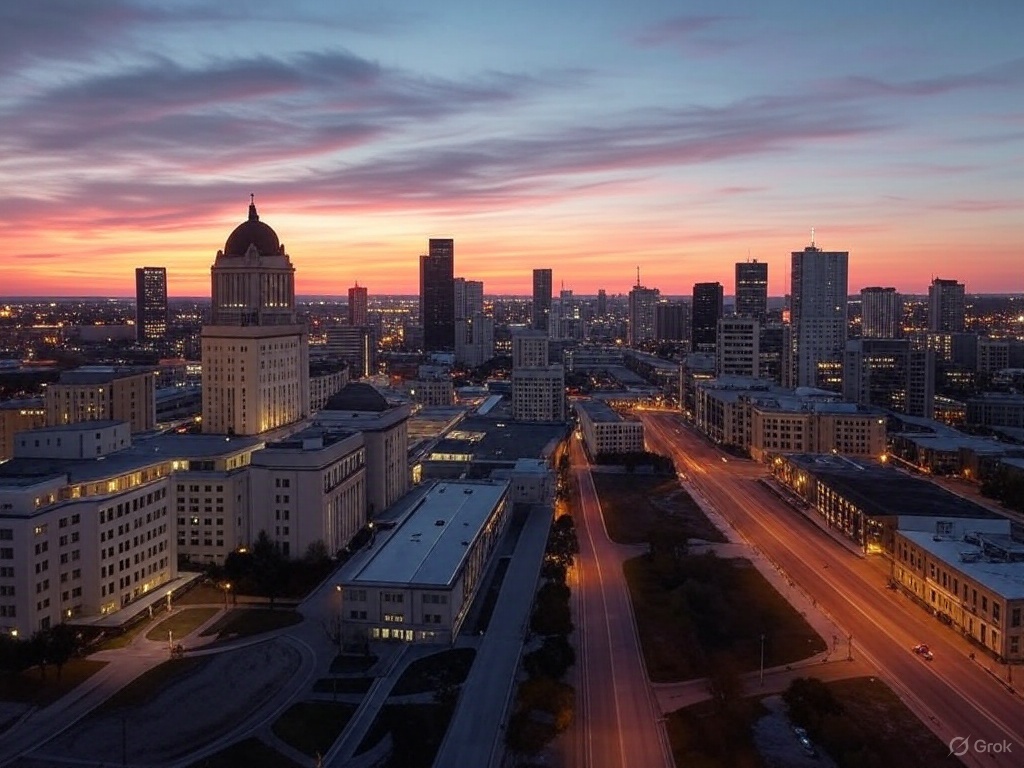
Winnipeg, Manitoba’s capital, pulses with artistic and theatrical energy.
The Winnipeg Art Gallery (WAG)—home to the world’s largest collection of Inuit art—and the Royal Manitoba Theatre Centre, Canada’s oldest English-language regional theater, showcase the province’s creative spirit. Visitors can explore psychedelic-inspired art exhibits or unwind with a sound bath at local wellness studios. Osborne Village, where Magic Mush operates, is a bohemian enclave perfect for holistic explorers.
Brandon: Gateway to the West
Brandon, Manitoba’s second-largest city, offers a quieter charm. The Riverbank Discovery Centre provides nature trails for meditative walks, while local spas are slowly popping up. It’s an ideal base for retreats in nearby Riding Mountain National Park.
Steinbach, Selkirk, and Winkler
Steinbach’s Mennonite Heritage Village offers a historical lens on resilience, pairing well with mindfulness retreats. Selkirk, near Lake Winnipeg, is a fishing haven with potential for water-based sound bath experiences. Winkler, in the Pembina Valley, hosts community wellness events, including yoga and breathwork workshops, reflecting a growing holistic trend.
Festivals Celebrating Manitoba’s Spirit
Folklorama
Held annually in Winnipeg, Folklorama is the world’s largest and longest-running multicultural festival. Over two weeks, pavilions showcase global cultures through food, dance, and music—perfect for grounding oneself in community before a psychedelic or meditative journey.
Festival du Voyageur
Winnipeg’s Festival du Voyageur celebrates French-Canadian heritage each February with snow sculptures, music, and outdoor festivities. The winter setting invites natural health workshops and breathwork in crisp air, blending tradition with healing. With a community that is embracing mental health and potential benefits of psychedelic therapy and microdosing.
Academic and Research Contributions in Manitoba
The University of Manitoba and University of Winnipeg are intellectual anchors in the province. While no specific psilocybin research has been widely publicized from these institutions, their psychology and health sciences departments are well-positioned to explore psychedelic therapy. Nationally, studies like those at Washington University (2024) on psilocybin’s mental health benefits could inspire local trials, especially given Manitoba’s mental health challenges.
Mental Health, Veterans, and Psilocybin’s Potential in Mantiboba
Manitoba hosts military bases like CFB Winnipeg and CFB Shilo, with a significant veteran population. PTSD and depression affect many veterans, and psilocybin’s promise—backed by studies showing reduced symptoms after guided sessions—could offer hope. In 2022, over 100 Canadian healthcare professionals challenged Health Canada’s rejection of broader psychedelic access, signaling a push that could benefit Manitoba’s veterans. Local advocates are quietly exploring how to integrate such therapies into holistic care frameworks. Too many veterans have been frustrated with roadblocks to access to medications or proper counselling and support, especially in a place like Manitoba with its large military population, were veterans can easily fall through the cracks and fall prey to alcoholism and substance abuse. These veterans and unsung heroes could greatly benefit from a comprehensive framework that allowed them access to natural medications like Psilocybin “Magic Mushrooms” along with microdosing and newly developing Psychedelic Therapy that hones in on connectivity, community and can greatly help with integration.
Manitoba’s Great Spirit of Healing
Manitoba’s “Great Spirit” shines through its pristine landscapes, cultural richness, and openness to holistic innovation. From the psychedelic potential of magic mushrooms to the grounding power of medicinal fungi, breathwork, sound baths, and float tanks, the province is a frontier for healing. Whether marveling at Churchill’s polar bears, foraging in Sandilands, or immersing in Winnipeg’s art scene, visitors and residents alike can tap into a vibrant, multifaceted Manitoba—one that honors its past while embracing a future of well-being and discovery. As research and societal attitudes evolve, Manitoba may yet lead in blending its natural beauty with cutting-edge mental health solutions and a greater focus on caring for its veterans.
For more information on responsibly sourced and tested medicinal mushrooms and microdosing products please visit doctorphillocybin.com that offers discrete shipping across Canada along with education and community engagement.
Exploring the Culture and History of Manitoba: A Modern Celebration of Heritage
Nestled in the heart of Canada, Manitoba is a province where history and culture intertwine to create a vibrant tapestry that captivates residents and visitors alike. From its Indigenous roots to its multicultural present, Manitoba’s story is one of resilience, diversity, and celebration. Today, this rich heritage is brought to life through an array of activities, events, festivals, and destinations that make Manitoba a compelling choice for tourists and those considering relocation. Here’s a deep dive into Manitoba’s cultural legacy and how it shines in the modern day.
A Historical Foundation Rooted in Diversity
Manitoba’s history begins with its Indigenous peoples—the Anishinaabeg, Cree, Dakota, Dene, and Métis—who have called this land home for millennia. Their traditions of storytelling, art, and connection to the natural world remain a cornerstone of the province’s identity. European exploration arrived in the 17th century when Henry Hudson sailed into Hudson Bay in 1610, paving the way for the fur trade. The Hudson’s Bay Company, established in 1670, transformed Manitoba into a hub of commerce, with trading posts like Fort Garry shaping early settlements.
The 19th century brought waves of immigrants—British, Ukrainian, Icelandic, Mennonite, and French voyageurs—each leaving an indelible mark. Winnipeg, the province’s capital, emerged as a bustling center, dubbed the “Gateway to the West,” during its boom years before the Panama Canal shifted trade routes in 1914. The Métis, descendants of Indigenous peoples and European settlers, played a pivotal role in Manitoba’s history, notably during the Red River Rebellion of 1869-70, led by Louis Riel, a figure still revered for defending Métis rights and culture.
This diverse heritage is not just a relic of the past—it’s a living, breathing part of Manitoba’s modern identity, celebrated through festivals, cultural institutions, and community pride.
Cultural Celebrations in Modern Manitoba

Manitoba’s cultural mosaic is showcased year-round through festivals and events that draw thousands of locals and tourists. These gatherings highlight the province’s welcoming spirit and make it an appealing destination for those seeking a rich, community-driven lifestyle.
- Festival du Voyageur (February, Winnipeg): Western Canada’s largest winter festival, this 10-day celebration honors Manitoba’s French-speaking voyageurs and fur traders. Held in Winnipeg’s historic French Quarter, St. Boniface, it features snow sculptures, traditional music, jigging, and hearty French-Canadian cuisine like tourtière and pea soup. It’s a joyful embrace of winter, perfect for tourists and a testament to Manitoba’s knack for turning cold months into warm experiences.
- Folklorama (August, Winnipeg): Known as the world’s largest and longest-running multicultural festival, Folklorama transforms Winnipeg into a global village for two weeks. Pavilions representing over 40 cultures offer authentic food, dance, and performances—from Ukrainian pysanka egg decorating to Scottish Highland dancing. It’s a vibrant showcase of Manitoba’s diversity and a must-visit for anyone exploring relocation, highlighting the province’s inclusive community.
- Manito Ahbee Festival (May, Winnipeg): This Indigenous-led event celebrates First Nations, Métis, and Inuit heritage with one of North America’s largest powwows. Visitors can witness traditional drumming, dance competitions, and an Indigenous marketplace, all set against a backdrop of cultural pride. It’s an immersive experience that underscores Manitoba’s deep Indigenous roots, appealing to tourists and newcomers seeking authentic cultural connections.
- Icelandic Festival of Manitoba (August, Gimli): In the charming town of Gimli, known as “New Iceland,” this festival—called Islendingadagurinn—celebrates the province’s Icelandic settlers. Viking reenactments, traditional foods like vinarterta (a layered cake), and family-friendly activities make it a unique draw. Gimli’s lakeside location on Lake Winnipeg adds scenic beauty, making it a standout destination for tourists and a peaceful retreat for potential residents.
- National Ukrainian Festival (August, Dauphin): Reflecting Manitoba’s significant Ukrainian population, this festival features Cossack demonstrations, intricate embroidery, and the aroma of freshly baked bread from traditional ovens. Held near Riding Mountain National Park, it pairs cultural immersion with natural splendor, offering a taste of rural Manitoba life that’s attractive to those considering a move.
Activities and Destinations Showcasing Manitoba’s Charm

Beyond festivals, Manitoba offers a wealth of activities and destinations that blend history, culture, and natural beauty, making it a standout for tourists and prospective residents.
- The Forks (Winnipeg): At the confluence of the Red and Assiniboine Rivers, this historic site has been a meeting place for over 6,000 years. Today, it’s a bustling hub with shops, eateries, and the Canadian Museum for Human Rights, a striking architectural marvel exploring global and local human rights stories. In winter, it boasts the world’s longest naturally frozen skating rink, while summer brings festivals and markets. It’s a cultural and recreational gem that enhances Winnipeg’s appeal as a livable city.
- Churchill: The Polar Bear Capital: In northern Manitoba, Churchill offers unparalleled wildlife experiences. Known for polar bear viewing in autumn and beluga whale kayaking in summer, it’s a bucket-list destination for tourists. The northern lights, visible up to 300 nights a year, add a magical touch. For those relocating, Churchill’s remote charm and tight-knit community offer a unique lifestyle steeped in nature and Indigenous heritage.
- Riding Mountain National Park: This pristine wilderness near Dauphin blends outdoor adventure with cultural history. Hiking trails reveal bison herds and ancient Indigenous sites, while the nearby Wasagaming townsite hosts summer events. It’s a haven for nature lovers and a compelling reason to settle in Manitoba’s picturesque countryside.
- Lower Fort Garry National Historic Site: Just north of Winnipeg, this restored 19th-century fur-trading post offers living history experiences—costumed interpreters reenact daily life, from blacksmithing to Métis storytelling. It’s an educational outing for tourists and a glimpse into Manitoba’s past for those considering a move.
- Royal Winnipeg Ballet and Winnipeg Symphony Orchestra: Winnipeg’s arts scene shines with these world-class institutions. The Royal Winnipeg Ballet, North America’s longest-running ballet company, and the Winnipeg Symphony Orchestra, performing at the Centennial Concert Hall, offer cultural sophistication that rivals larger cities, making Manitoba a surprising hub for arts enthusiasts.
Why Manitoba Shines for Tourists and Newcomers
Manitoba’s blend of history and culture, celebrated through modern events and destinations, makes it a standout province. For tourists, it offers a year-round calendar of experiences—from winter festivals to summer powwows—paired with natural wonders like polar bears and northern lights. The affordability of travel, coupled with friendly locals, enhances its appeal.
For those considering relocation, Manitoba presents a compelling case: a lower cost of living than many Canadian provinces, a strong sense of community, and a cultural richness that fosters belonging. Winnipeg, with its urban amenities and small-town warmth, balances city life with access to nature, while rural areas like Gimli or Dauphin offer tranquility and tradition. The province’s commitment to preserving minority languages and supporting cultural agencies ensures a vibrant, inclusive future.

 Doctor Phillocybin