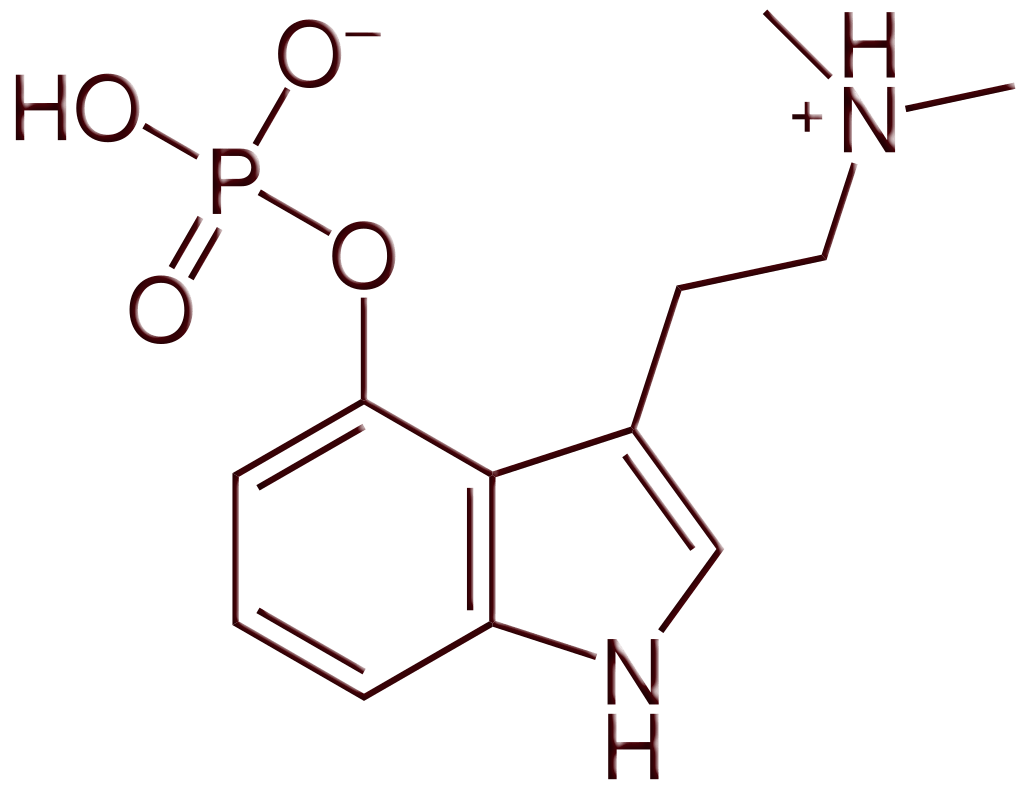
Psilocybin, the psychoactive compound found in over 200 species of “magic mushrooms,” is poised to revolutionize the pharmaceutical industry and reshape healthcare, particularly in the realm of mental health. Once relegated to counterculture and stigmatized as a recreational drug, psilocybin has undergone a scientific renaissance, with mounting evidence supporting its therapeutic potential. Coupled with mycological innovations, this natural bioactive is emerging as a cornerstone of future treatments for psychiatric disorders, chronic illnesses, and even broader wellness applications. This article explores the trajectory of psilocybin in pharmaceuticals, its anticipated impact on healthcare and mental health care, and the role of mycological advancements in driving these changes.
A Historical Context: From Stigma to Science
Psilocybin’s journey in Western medicine began in 1957 when Swiss chemist Albert Hofmann isolated it from Psilocybe mexicana, identifying it as the source of the mushrooms’ psychedelic effects (Hofmann, 1958). Sandoz Pharmaceuticals subsequently marketed it as Indocybin® for psychiatric research, sparking trials throughout the 1960s that hinted at its potential for treating anxiety, depression, and addiction (Nichols, 2016). However, the U.S. designation of psilocybin as a Schedule I substance in 1970 under the Controlled Substances Act halted progress, branding it as having “no accepted medical use” and stifling research for decades (DEA, 1970).
The tide began to turn in the mid-2000s with seminal studies from institutions like Johns Hopkins University, which reignited interest by demonstrating psilocybin’s safety and efficacy in controlled settings (Griffiths et al., 2006). Today, as regulatory barriers soften and public perception shifts, psilocybin is on the cusp of mainstream pharmaceutical acceptance, bolstered by mycological innovations that enhance its application.
Psilocybin’s Therapeutic Promise: Mental Health at the Forefront
The pharmaceutical industry’s interest in psilocybin stems from its remarkable effects on mental health conditions, many of which remain poorly addressed by conventional treatments. Psilocybin acts primarily as an agonist at serotonin 5-HT2A receptors, altering neural connectivity and promoting neuroplasticity—key mechanisms believed to underlie its therapeutic benefits (Carhart-Harris et al., 2017). Below are some of the most promising applications:
- Treatment-Resistant Depression (TRD)
A 2021 study in the New England Journal of Medicine found that two 25 mg doses of psilocybin, paired with psychotherapy, produced antidepressant effects comparable to six weeks of daily escitalopram (an SSRI) in patients with major depressive disorder (Carhart-Harris et al., 2021). Notably, psilocybin’s effects were rapid—often evident within days—unlike SSRIs, which can take weeks. COMPASS Pathways, a leader in this space, is advancing a Phase 3 trial aiming for FDA approval by late 2025, signaling a potential market shift (COMPASS Pathways, 2023). - Anxiety and End-of-Life Distress
Research from Johns Hopkins and NYU showed that a single high dose of psilocybin significantly reduced anxiety and depression in terminal cancer patients, with effects lasting up to six months (Grob et al., 2011; Ross et al., 2016). This suggests a role for psilocybin in palliative care, addressing a critical gap in mental health support for the terminally ill. - Addiction
Psilocybin has shown efficacy in treating substance use disorders. A 2022 study in JAMA Psychiatry reported a 27.2% reduction in drinking days among alcohol-dependent patients after psilocybin-assisted therapy, far surpassing psychosocial therapy alone (Bogenschutz et al., 2022). Similar promise exists for smoking cessation, with Johns Hopkins securing a historic NIH grant in 2021 to explore this further (NIH, 2021). - PTSD and Other Disorders
While MDMA has led psychedelic research for PTSD, psilocybin is gaining traction. Mydecine Innovations Group’s Phase 2A trials, launched in 2020, target chronic PTSD in veterans and EMS personnel, leveraging psilocybin’s ability to disrupt maladaptive thought patterns (Mydecine, 2020). Preliminary data also suggest benefits for obsessive-compulsive disorder (OCD) and anorexia nervosa (Moreno et al., 2006; COMPASS Pathways, 2022).
Mycological Innovations: Enhancing Psilocybin’s Potential
Beyond psilocybin itself, advancements in mycology—the study of fungi—are amplifying its pharmaceutical viability and expanding its healthcare applications. These innovations include:
- Synthetic Production and Standardization
Companies like COMPASS Pathways have patented synthetic psilocybin production, ensuring consistent potency and purity—crucial for pharmaceutical-grade drugs (COMPASS Pathways, 2020). This overcomes the variability of naturally occurring mushrooms, where psilocybin content can differ by up to tenfold (Stamets, 2005). - Deuterated Psilocybin
Cybin Inc. is pioneering deuterated psilocybin (CYB003), a modified version with a longer half-life and potentially fewer side effects. Phase 2 results reported a 71% remission rate in major depressive disorder with just two 16 mg doses, outperforming traditional psilocybin and SSRIs by a wide margin (Cybin, 2024). This innovation could streamline dosing regimens and improve patient tolerability. - Microdosing and Botanical Synergies
Microdosing—taking sub-hallucinogenic doses—has gained traction, with anecdotal reports suggesting benefits for mood and cognition. Research is exploring combinations with adaptogens like lion’s mane or ashwagandha, fungi known for their neuroprotective properties, to enhance psilocybin’s effects (Stamets, 2021). While clinical data remain thin, this approach could redefine psychiatric medication by 2030. - Gut Microbiome Interactions
Emerging studies highlight psilocybin’s interaction with the gut microbiome, a key player in mental health via the gut-brain axis. Psilocybin’s conversion to psilocin in the gut, mediated by alkaline phosphatase, suggests potential anti-inflammatory and mood-regulating effects that extend beyond the brain (Lange et al., 2024). Mycological research into fungal metabolites could unlock new therapeutic pathways for conditions like inflammatory bowel disease.
The Pharmaceutical Landscape: Opportunities and Challenges
The integration of psilocybin into pharmaceuticals promises a seismic shift, but it faces hurdles:
- Market Potential: The antidepressant market, valued at $15 billion in 2019, is ripe for disruption (Pharmaceutical Technology, 2019). Psilocybin’s rapid efficacy and lower addiction profile could challenge SSRIs, whose patents are expiring, prompting big pharma to take notice (Wired, 2020).
- Regulatory Evolution: The FDA’s “Breakthrough Therapy” designations for psilocybin in 2018 and 2019 signal a softening stance (FDA, 2019). Oregon’s legalization of psilocybin therapy in 2020 and decriminalization efforts in cities like Denver mark progress, though federal restrictions linger (Oregon Measure 109, 2020).
- Challenges: Clinical trials must navigate rigorous safety protocols, given psilocybin’s risks—panic reactions, psychosis in predisposed individuals, and mild side effects like nausea (Nichols, 2023). Scaling production and training therapists for psychedelic-assisted therapy also pose logistical hurdles.
Broader Healthcare Implications
Psilocybin and mycological innovations extend beyond mental health:
- Chronic Pain and Inflammation: Preliminary evidence suggests psilocybin modulates inflammatory pathways, offering potential for autoimmune disorders (Lange et al., 2024). Pairing it with medicinal fungi like reishi could amplify these effects.
- Holistic Wellness: The resurgence of interest in natural bioactives aligns with a shift toward holistic healthcare. Psilocybin’s ability to foster “openness” and spiritual well-being could enhance preventive mental health strategies (Griffiths et al., 2011).
- Telehealth Integration: Platforms like Mindleap, developed by Mydecine, combine psilocybin aftercare with digital mood tracking, hinting at a future where psychedelics and technology converge to democratize mental health support (Mydecine, 2021).
The Road Ahead
As of March 17, 2025, psilocybin stands at a pivotal juncture. Phase 3 trials, regulatory reforms, and mycological breakthroughs are converging to propel it into the pharmaceutical mainstream. By 2030, it could overtake conventional antidepressants, offering rapid, lasting relief where SSRIs fall short. Yet, its success hinges on rigorous research, equitable access, and destigmatization—a trifecta that demands collaboration between scientists, policymakers, and industry leaders.
In conclusion, psilocybin, bolstered by mycological innovations, is not just a drug but a paradigm shift. It promises to transform mental health care by addressing root causes rather than symptoms, while its broader healthcare applications hint at a future where fungi play a central role in healing. As the science matures, so too will our understanding of this ancient compound’s modern potential.
References
- Bogenschutz, M. P., et al. (2022). JAMA Psychiatry, 79(10), 953-962.
- Carhart-Harris, R. L., et al. (2017). Psychopharmacology, 234(5), 785-794.
- Carhart-Harris, R. L., et al. (2021). New England Journal of Medicine, 384(15), 1402-1411.
- COMPASS Pathways. (2020). Patent Filing; (2022). Anorexia Study; (2023). Phase 3 Trial Update.
- Cybin Inc. (2024). Phase 2 CYB003 Results.
- DEA. (1970). Controlled Substances Act.
- FDA. (2019). Breakthrough Therapy Designation.
- Griffiths, R. R., et al. (2006). Psychopharmacology, 187(3), 268-283.
- Griffiths, R. R., et al. (2011). Journal of Psychopharmacology, 25(11), 1434-1452.
- Grob, C. S., et al. (2011). Archives of General Psychiatry, 68(1), 71-78.
- Hofmann, A. (1958). Helvetica Chimica Acta, 41(5), 1217-1222.
- Lange, B., et al. (2024). Trends in Medical Research, 19(1), 245-273.
- Moreno, F. A., et al. (2006). Journal of Clinical Psychiatry, 67(11), 1735-1740.
- Mydecine Innovations Group. (2020). Phase 2A PTSD Trials; (2021). Mindleap Platform.
- Nichols, D. E. (2016). Pharmacological Reviews, 68(2), 264-355.
- Nichols, D. E. (2023). ASM.org Article.
- NIH. (2021). Johns Hopkins Grant Announcement.
- Oregon Measure 109. (2020).
- Pharmaceutical Technology. (2019). Antidepressant Market Analysis.
- Ross, S., et al. (2016). Journal of Psychopharmacology, 30(12), 1165-1180.
- Stamets, P. (2005). Mycelium Running. Ten Speed Press.
- Stamets, P. (2021). Microdosing Research Proposal.
- Wired. (2020). Big Pharma and Psychedelics.


 Doctor Phillocybin