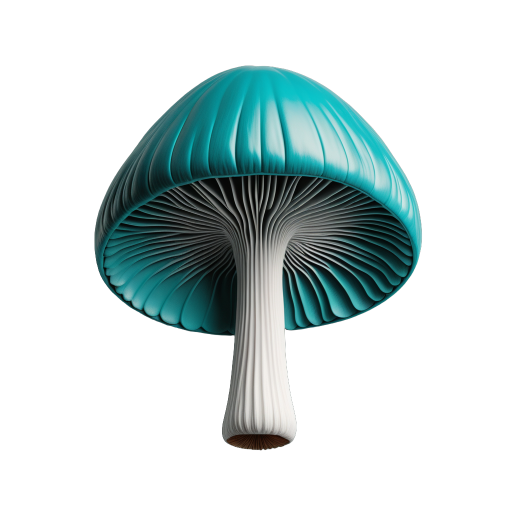

Psilocybin, a naturally occurring compound found in Psilocybe mushrooms, has gained significant attention in recent years for its potential therapeutic effects on various mental health conditions. Ongoing research explores its efficacy in treating depression, anxiety, substance use disorders, and post-traumatic stress disorder (PTSD).
Established Research
- Clinical Trials:
- Depression and Anxiety: Studies, including those by Johns Hopkins University and Imperial College London, have demonstrated that psilocybin can lead to significant reductions in symptoms of major depressive disorder and anxiety, particularly in treatment-resistant cases.
- PTSD: Research at institutions like NYU Langone has shown promising results in PTSD treatment, with psilocybin facilitating emotional processing and reducing symptoms.
- Substance Abuse: Psilocybin has shown potential in aiding recovery from addiction, particularly in alcohol and tobacco use, by enhancing motivation and promoting a sense of connectedness.
- Mechanisms of Action:
- Psilocybin works by affecting serotonin receptors (specifically 5-HT2A), promoting neuroplasticity and fostering therapeutic experiences often described as mystical or transcendent, which can lead to lasting changes in mindset and behavior.
Ongoing Research
- Long-term Effects: Studies are currently investigating the durability of psilocybin’s effects, with some preliminary findings suggesting lasting improvements in mood and behavior.
- Comparative Studies: Ongoing trials are comparing psilocybin therapy to traditional antidepressants and psychotherapy, focusing on safety, efficacy, and patient experiences.
- Combination Therapies: Research is exploring combining psilocybin with psychotherapy to enhance therapeutic outcomes, addressing underlying psychological issues alongside symptom relief.
Advancements
- Regulatory Progress: Several cities and states are moving toward decriminalization or medical approval of psilocybin, creating an evolving legal landscape for therapeutic use.
- Public Awareness and Acceptance: Increased media coverage and educational initiatives are reducing stigma and fostering public acceptance of psilocybin as a legitimate treatment option.
Potential Benefits
- Mental Health Improvement: Enhanced access to effective treatments for depression, anxiety, and PTSD could lead to improved quality of life for many individuals.
- Cost Reduction: Effective psilocybin treatments could potentially reduce the long-term costs associated with chronic mental health conditions by decreasing the need for ongoing medication and therapy.
Impact on the Pharmaceutical Industry
- Market Disruption: The emergence of psilocybin as a viable treatment option could challenge traditional antidepressant models, prompting pharmaceutical companies to invest in psychedelic research and development.
- Innovation in Therapies: A shift towards integrative approaches combining pharmacological and psychotherapeutic methods may lead to the development of new treatment paradigms.
Conclusion
The research into psilocybin and Psilocybe mushrooms is rapidly advancing, with significant implications for mental health treatment and the pharmaceutical industry. As studies continue to demonstrate their therapeutic potential, psilocybin could play a transformative role in addressing the mental health crisis, offering hope to millions affected by debilitating conditions.

 Doctor Phillocybin